


Тяжелая промышленная техника работает на гидравлической энергии по простой причине: гидравлика позволяет перемещать и удерживать тяжелые грузы с силой и контролем, которые многим другим системам трудно обеспечить.
А гидравлическая система Зачастую именно она является “силой”, лежащей в основе механизмов подъема, зажима, прессования и других операций, особенно там, где важны безопасность и точность.
Но рано или поздно каждое предприятие сталкивается с одним неприятным фактом: при отключении электроэнергии гидравлические системы не всегда реагируют безопасным и предсказуемым образом.
В чрезвычайных ситуациях риск заключается не только в остановке машины. Гораздо важнее то, что произойдет дальше.
Грузы могут оставаться подвешенными или частично зафиксированными. Механизмы, которые должны разблокироваться, могут заклинить. Операторы могут потерять возможность безопасно опускать, фиксировать, освобождать или перемещать оборудование.
Именно в такие моменты, когда машина находится в неизвестном или нестабильном состоянии, часто начинаются инциденты, связанные с безопасностью, повреждение оборудования и дорогостоящие простои.
Именно поэтому аварийный резервный гидравлический насос это крайне важно.
Правильно спланированное ручное резервное копирование предоставляет вашей команде независимый способ восстановить контроль и перевести оборудование в более безопасное состояние.
Вместо того чтобы импровизировать под давлением, операторы могут использовать повторяющийся подход, который обеспечивает безопасное восстановление, упрощает доступ для технического обслуживания и ускоряет планирование перезапуска.
Что такое аварийный резервный гидравлический насос и когда он необходим?
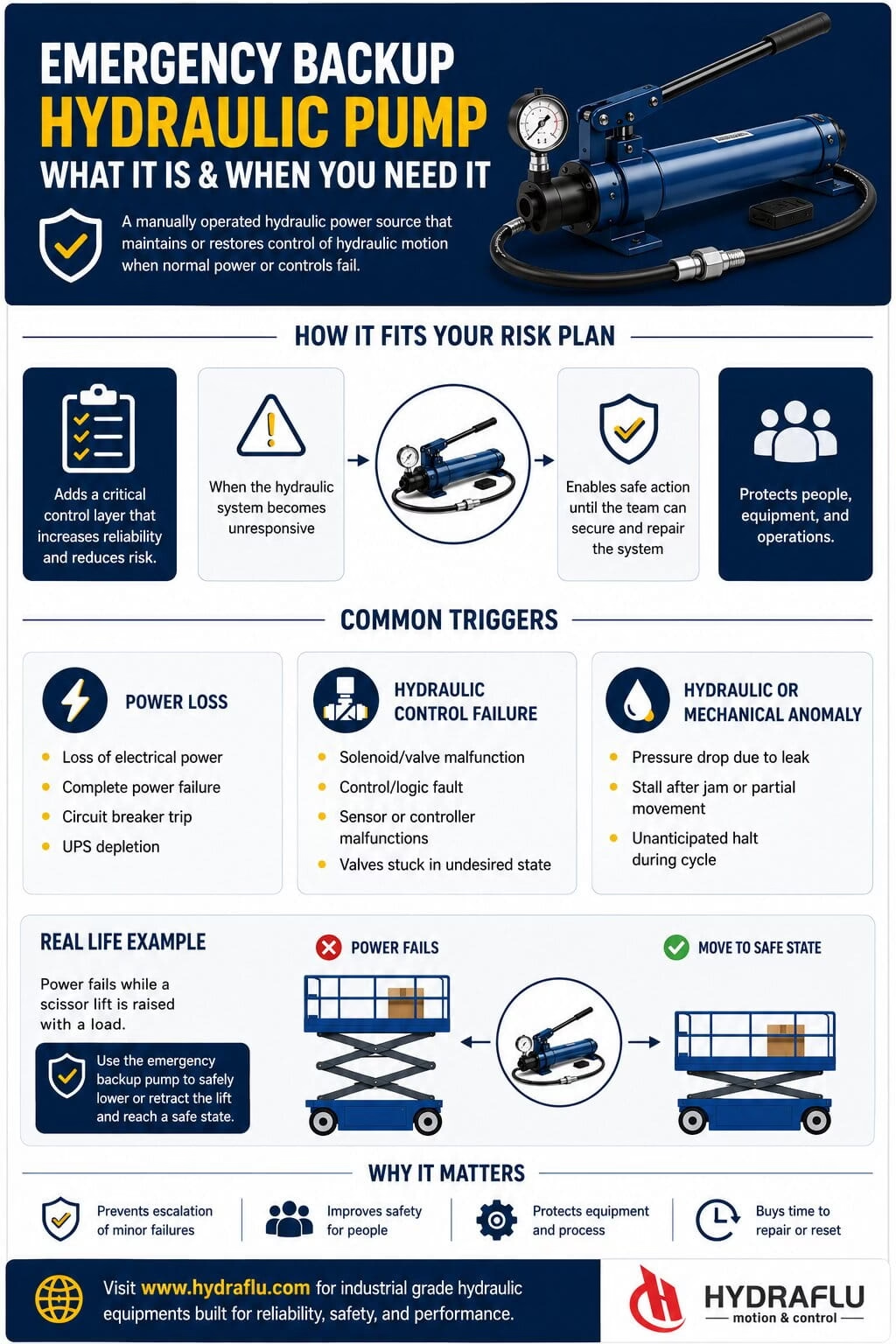 Ан аварийный резервный гидравлический насос Это гидравлический источник энергии с ручным управлением, предназначенный для поддержания или восстановления управления гидравлическим движением в случае отказа нормального электропитания, систем управления или автоматизации.
Как работает аварийное резервное копирование? Гидравлический ручной насос Соответствует ли это вашему плану управления рисками?
Для команд, занимающихся закупками, польза проста. Аварийное резервное оборудование представляет собой уровень управления, повышающий надежность и, следовательно, снижающий риск отказа. Рассмотрим следующий сценарий: обычная гидравлика перестает работать. Аварийный резервный гидравлический ручной насос гарантирует, что отказ такого масштаба не приведет к более крупной аварии.
Рассматривайте это резервное оборудование как мост, соединяющий два момента времени:
- Когда гидравлическая система перестаёт реагировать; и
- Когда команда может выполнить меры по обеспечению безопасности системы, включая остановку, блокировку/маркировку, осмотр системы и/или ремонт системы.
Факторы, которые следует предвидеть
Чрезвычайные ситуации могут быть уникальными для каждой организации или объекта; однако риски, которые приводят к таким чрезвычайным ситуациям, как правило, одинаковы. Вот некоторые из распространенных ситуаций, к которым необходимо быть готовым:
- Отключение электроэнергии
- Полное отключение электроэнергии
- Автоматический выключатель сработал
- истощение ресурсов ИБП
- Отключение электроэнергии
- Сбой гидравлического управления
- Неисправность электромагнитного клапана/соленоида
- Ошибка в логике управления приводит к тому, что клапаны оказываются в нежелательном состоянии.
- Неисправности датчика/контроллера
- Непредвиденная остановка во время цикла
- Некорректный статус “завершено” или невозможность вернуться в исходное положение.
- Гидравлическая или механическая аномалия
- Утечка, вызывающая падение давления.
- Остановка после заклинивания или частичного движения
Пример из реальной жизни и его применение
Ножничный подъемник останавливается во время движения при отключении электропитания. Когда грузы подвешены, переход в “безопасное состояние” обычно означает контролируемое опускание или втягивание подъемника — для минимизации опасности застревания.
Ан аварийный резервный гидравлический насос Это механизм, позволяющий перейти в это более безопасное состояние при отсутствии обычного электрического воздействия.
Как гидравлические ручные насосы обеспечивают работу без электричества?
Гидравлические системы используют жидкость под давлением для перемещения и удержания грузов. Обычно это давление создаётся электрическим или моторизованным насосом. При отключении электроэнергии эта способность создавать давление исчезает, как и способность машины следовать заданной логике движения.
А гидравлический ручной насос Это дает вашей команде неэлектрический способ создания гидравлического давления посредством ручного управления (усилия оператора), которое может быть направлено на соответствующий цилиндр или цепь для контролируемого перемещения.
Что оператор может реально контролировать
Конструкция системы и схема подключения клапанов предусматривают множество вариантов резервного ручного управления, которые могут включать в себя:
- Контролируемое опускание: Ручное перемещение конечностей для снятия напряжения.
- Контролируемое втягивание: Ручное перемещение элемента для облегчения достижения более удобного для обслуживания положения.
- Освобождение зажима: Разблокирует машину от опасностей, связанных с "заблокированным" состоянием.
- Стабилизация: Сохраняйте контролируемое безопасное положение достаточно долго для выполнения блокировки и маркировки (LOTO) и обеспечения безопасного проведения проверки выполнения задачи.
Почему “предсказуемое движение” важнее, чем “заставить его двигаться”?
В чрезвычайных ситуациях наибольшее преимущество в плане безопасности заключается не в скорости, а в предсказуемости. Системы с электроприводом могут выходить из строя непредсказуемо; ручное управление можно использовать контролируемым, регламентированным способом.
Вопросы, которые покупатель должен задать своему поставщику
- Можно ли использовать ручной насос для достижения нашей цели?“безопасное состояние”Движение (опускание/втягивание/освобождение)?»
- Предоставляет ли поставщик рекомендуемая процедура в экстренной ситуации адаптировано под логику нашей схемы?
- Есть ли интеграция Какие требования (к клапанам/впускным коллекторам) мы должны выполнить, чтобы избежать небезопасных направлений движения?
Пример из реальной жизни и его применение
А гидравлическая система зажима Зажимы фиксируются в промежуточном положении при помощи упора. Без ручной фиксации зажимы могут оставаться в зацеплении длительное время, возможно, неограниченно долго. аварийный резервный гидравлический насос Это позволяет операторам (при соблюдении надлежащих процедур) перемещать систему в безопасное положение для проведения технического обслуживания. Также это предотвращает необходимость небезопасного манипулирования системой со стороны операторов.
Ручной гидравлический насос Для подъемных цилиндров: варианты использования, которым следует отдавать приоритет при закупках.
Если ваше гидравлическое оборудование включает в себя подъемные цилиндры, стоит рассматривать аварийный ручной резервный вариант как... приоритетная категория закупок, не является универсальным аксессуаром.
Почему цилиндры лифтов так важны во время аварий??
Цилиндры лифта помогают в:
- Подъемные инструменты или платформы.
- Контроль высоты подъема на протяжении всего процесса.
- Поддержка нагрузок во время зажима или формовки..
- Механизмы поддержки, создающие зоны застревания при частичном размещении..
В случае отключения электроэнергии цилиндры лифта могут создавать опасные условия:
- Грузы, подвешенные или полностью поднятые..
- Несбалансированная или неправильная форма машины, затрудняющая безопасный доступ к ней..
- Поддерживает точку зажима, пока машина находится в “заклинившем” положении..
Что должно быть определено в рамках процедуры закупок: действия по “безопасному восстановлению”.
Перед выбором оборудования отдел закупок (совместно с инженерно-техническим отделом и отделом безопасности) должен определить такие результаты, как:
- безопасное перемещение в указанную точку
- безопасное отступление в защищенный рабочий конверт
- стабилизация чтобы обеспечить возможность проведения процедуры блокировки и маркировки (LOTO) и проверки без задержек.
Контрольный список для покупателя, специально разработанный для действий в чрезвычайных ситуациях с подъемными цилиндрами.
Запросите у поставщиков подробную информацию по следующим вопросам:
- Требуемое давление, необходимое для работы вашего цилиндра/подъемного усилия.
- Ожидаемое поведение вашего цилиндра при ручном управлении (направление, управление, контролируемое оседание)..
- Точки гидравлического соединения (порты, переходники для шлангов, муфты).
- Этапы аварийной процедуры, которые должны будут выполнить ваши операторы..
- Наличие учебных материалов.
Пример из реальной жизни и его применение
Подъемник с вспомогательным механизмом пресса может остановиться в середине хода, когда поршень/инструмент подняты. Даже если производство приостановлено, вопрос безопасности остается открытым.
А ручной гидравлический насос для подъемного цилиндра облегчает плавное возвращение на безопасную высоту, тем самым уменьшая вероятность застревания подъемника в поднятом положении и сбоя в работе пресса из-за многократных попыток довести его до безопасного состояния.
Зачем нужен гидравлический ручной насос? Резервуар Как повысить готовность и надежность?
Гидравлический ручной насос с резервуаром имеет практическое преимущество при планировании действий в чрезвычайных ситуациях: он может уменьшить трение во время аварии.
Какие изменения в работе водохранилища происходят в процессе эксплуатации?
В чрезвычайной ситуации время и хаос могут повысить уровень угрозы. Гидравлический ручной насос со встроенным резервуаром. обычно повышает готовность за счет:
- Наличие источника жидкости, не требующего внешнего снабжения в той же степени..
- Сокращение времени, затрачиваемого на настройку или подготовку оборудования в стрессовой ситуации.
- Повышение единообразия в чрезвычайных ситуациях благодаря стабильной надежности..
Вопросы, которые покупатель должен задать своему поставщику
Обязательно задайте эти вопросы своему врачу. поставщик гидравлический ручной насос с резервуаром:
- Какие шаги необходимы для начала использования (заправка, необходимая жидкость, этапы настройки и т. д.)?
- Какое влияние оказывает конструкция водохранилища на техническое обслуживание и инспекцию?
- Соответствует ли насос требованиям предприятия к гидравлическому маслу?
Реальный пример того, насколько важен гидравлический ручной насос со встроенным резервуаром.
Перебои во время смены дежурства могут создавать стрессовые ситуации для ремонтной бригады. В этом случае можно использовать решение на основе резервуара. Это сократит время, необходимое системе для реагирования на опасности, тем самым уменьшив ее подверженность риску и время простоя.
Наиболее распространенные сценарии аварийного резервного копирования в промышленном оборудовании.
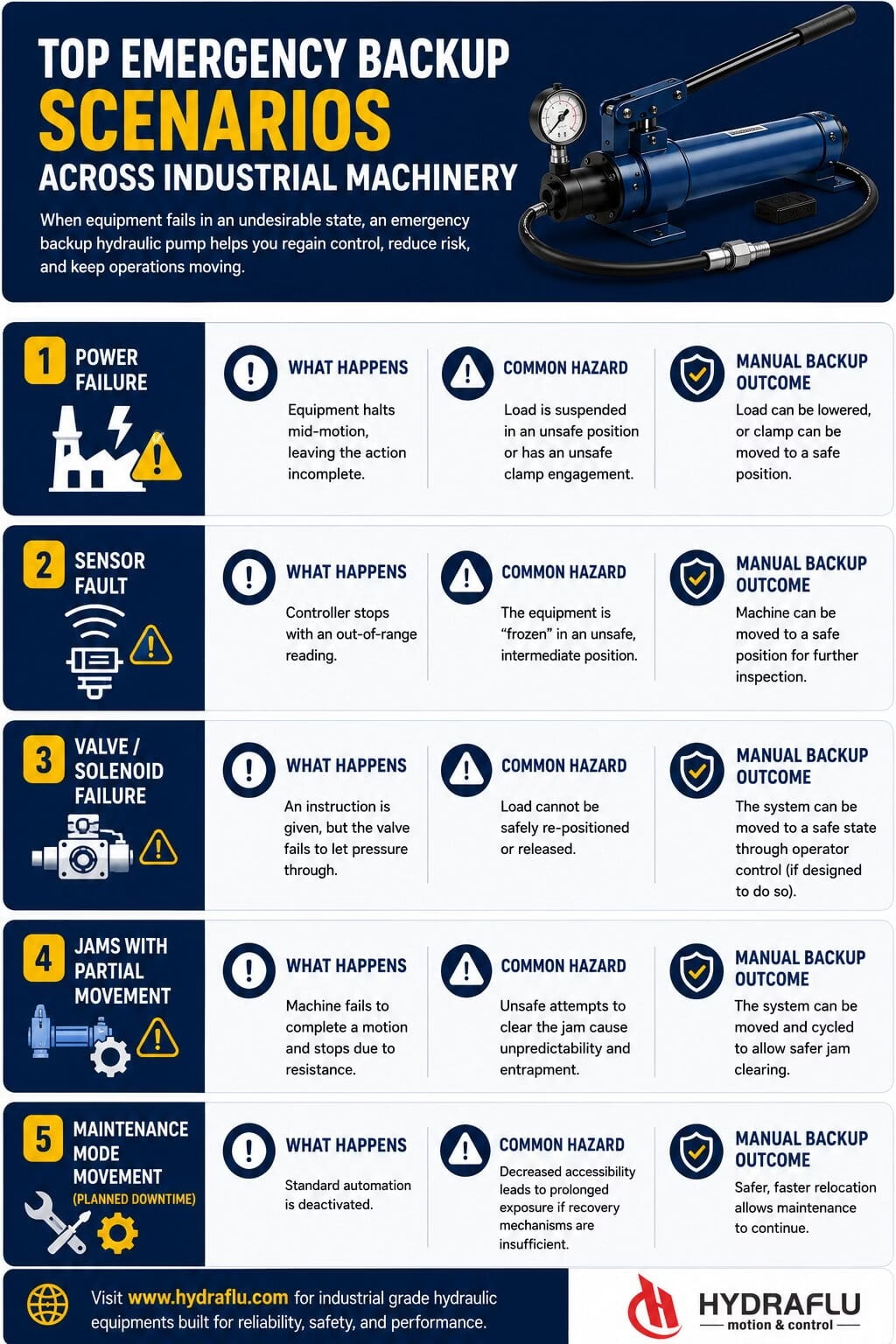
Системы аварийного резервирования различаются в зависимости от типа оборудования, но в большинстве случаев при возникновении сбоев происходит один и тот же тип отказов: Оборудование выходит из строя в нежелательном состоянии.
Ниже приведены несколько распространенных сценариев, в которых наличие аварийный резервный гидравлический насос Это может означать разницу между устранением чрезвычайной ситуации и длительным отключением электроэнергии.
1. Отключение электроэнергии
Что происходит: Оборудование останавливается на полпути, оставляя действие незавершенным.
Распространенная опасность: Груз подвешен в небезопасном положении или имеет небезопасное зацепление зажима.
Результат ручного резервного копирования: Груз можно опустить, или зажим можно переместить в безопасное положение.
2. Неисправность датчика
Что происходит: Контроллер останавливается при выходе показаний за пределы допустимого диапазона.
Распространенная опасность: Оборудование “заморожено” в небезопасном промежуточном положении.
Результат ручного резервного копирования: Машину можно переместить в безопасное место для дальнейшего осмотра.
3. Неисправность клапана/соленоида
Что происходит: Дана инструкция, но клапан не пропускает давление.
Распространенная опасность: Груз невозможно безопасно переместить или освободить.
Результат ручного резервного копирования: Систему можно перевести в безопасное состояние с помощью управления оператора (если это предусмотрено конструкцией).
4. Джемы с частичным движением
Что происходит: Машина не завершает движение и останавливается из-за сопротивления.
Распространенная опасность: Небезопасные попытки устранить затор приводят к непредсказуемости ситуации и застреванию людей.
Результат ручного резервного копирования: Система может перемещаться и циклически перезапускаться, что позволяет более безопасно устранять заторы.
5. Переход в режим технического обслуживания (плановый простой)
Что происходит: Стандартная автоматизация отключена.
Распространенная опасность: Снижение доступности приводит к длительному пребыванию в зоне риска, если механизмы восстановления недостаточны.
Результат ручного резервного копирования: Более безопасное и быстрое перемещение позволяет продолжить техническое обслуживание.
Как выбрать подходящее решение для промышленных ручных насосов (контрольный список для закупок)
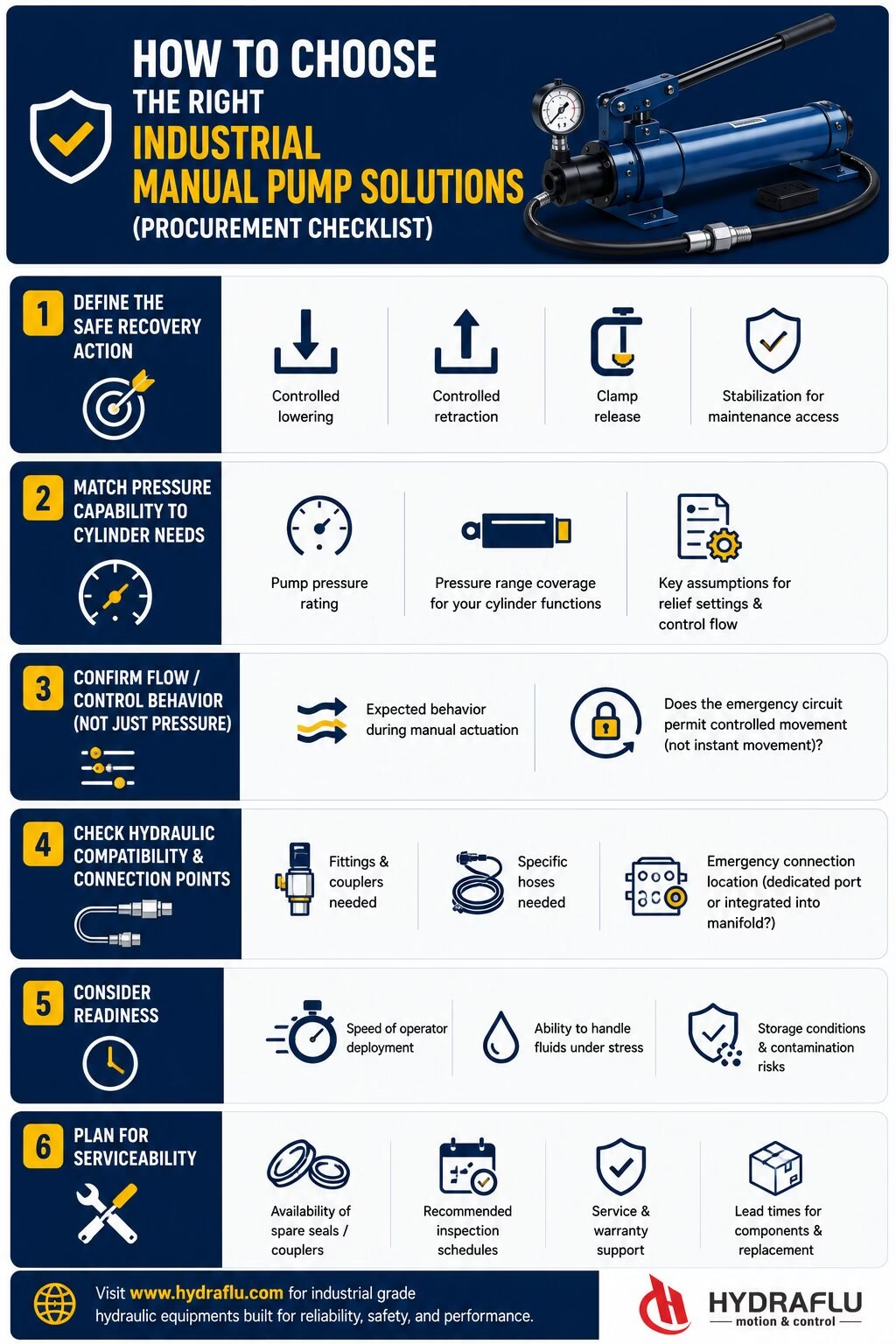 Это самый важный раздел для покупателей, и на то есть веские причины. Неправильный выбор может привести к техническим неполадкам и поставить под угрозу ваш план обеспечения безопасности в самый нужный момент.
Шаг 1: Определите безопасные действия по восстановлению.
В отделе закупок не следует принимать решения, основываясь исключительно на общих формулировках типа “аварийное резервирование”. Необходимо определить, действительно ли вам требуется:
- контролируемое понижение
- контролируемое оттягивание
- освобождение зажима
- стабилизация для обеспечения доступа для технического обслуживания
Шаг 2: Согласуйте допустимое давление с потребностями цилиндра/привода.
Запросите у своего поставщика следующее:
- номинальное давление насоса
- Диапазон давления, охватываемый функциями вашего цилиндра.
- Какие ключевые предположения относительно настроек предохранительного клапана и регулирования расхода?
Насос, не создающий достаточного давления, может оказаться неспособным выполнять свои функции в тот момент, когда это необходимо оператору.
Шаг 3: Подтвердите поведение потока/управления (не только давления).
Некоторые покупатели считают, что одного лишь давления достаточно, но, по нашему опыту, безопасное движение достигается за счет контролируемого потока и управления давлением.
Запрос от поставщиков:
- Одноступенчатый или двухступенчатый (односкоростной или двухскоростной)
- Ожидаемое поведение при ручном управлении
- Позволяет ли аварийная цепь осуществлять контролируемое движение, а не мгновенное перемещение?
Шаг 4: Проверка гидравлической совместимости и точек подключения.
При оформлении заказа убедитесь, что вам понятны следующие моменты:
- необходимые фитинги и соединители
- необходимые конкретные шланги
- Где будет расположено аварийное соединение (на отдельном порту или оно будет интегрировано в коллектор?)
Недоразумения, связанные с интеграцией, являются распространенной причиной неисправности аварийного оборудования в критически важные моменты.
Шаг 5: Оценка готовности: с использованием водохранилища по сравнению с другими конструкциями.
Оценивайте, исходя из реальных условий вашего объекта:
- Оцените скорость, с которой операторы смогут развернуть систему.
- Определить способность осуществлять внешнее воздействие на жидкости в условиях эксплуатационных нагрузок.
- Оцените условия хранения и возможные риски загрязнения.
Шаг 6: Планирование эксплуатационной пригодности
В рамках процедуры закупок необходимо обеспечить следующее:
- Наличие запасных уплотнений/муфт.
- предлагаемые графики проверок
- положения об обслуживании и гарантии
- Сроки поставки компонентов и их замены
Типичные причины отказов без ручного резервного питания — и как ручные насосы их предотвращают.
Без возможности ручного аварийного отключения ваше предприятие подвержено предсказуемым сценариям риска во время гидравлических отказов:
Тип отказа 1: Потеря электропитания при подвешенном грузе.
Риск: Опасное застревание в условиях длительной и опасной конфигурации подвески.
Предотвращение ручного резервного копирования: обеспечивает контролируемое опускание или втягивание в безопасное положение.
Режим отказа 2: Отказ системы управления препятствует безопасному выпуску.
Риск: Зажим зафиксирован, техническое обслуживание невозможно.
Предотвращение ручного резервного копирования: Путь восстановления контролируется оператором (при условии его правильной разработки).
Третий тип сбоя: операторы действуют самостоятельно в условиях сильного стресса.
Риск: Небезопасные действия, создающие дополнительные опасности.
Предотвращение ручного резервного копирования: обеспечивает стандартизированный процесс для уменьшения путаницы.
Тип отказа 4: Непредсказуемое поведение гидравлической системы.
Риск: Система может сместиться, остановиться или не стабилизироваться должным образом.
Предотвращение ручного резервного копирования: Предсказуемая траектория управления может быть достигнута путем ручного регулирования давления в системе.
Режим отказа 5: Время восстановления увеличивается.
Риск: Увеличение продолжительности простоев и подверженность опасностям для безопасности.
Предотвращение ручного резервного копирования: Сокращение времени на стабилизацию снижает угрозу. Меньше вероятность возникновения угроз безопасности, что позволяет проводить техническое обслуживание раньше.
Часто задаваемые вопросы
1. Каково назначение аварийного резервного гидравлического насоса?
В случае потери электропитания или управления, аварийный резервный гидравлический насос может создавать гидравлическое давление, позволяя операторам перемещать машину в более безопасное положение (контролируемое опускание, контролируемое втягивание или контролируемая стабилизация).
2. Может ли Ручной гидравлический насос Как работает цилиндр лифта при отключении электроэнергии?
Да, если ручной гидравлический насос для подъемного цилиндра правильно спроектирован в вашей гидравлической системе, то он позволяет операторам выполнять контролируемое перемещение даже при сбое в электронике/системе управления. В конечном итоге это снижает риски, связанные с подвешенными или частично расположенными грузами.
3. Чем отличаются гидравлические ручные насосы с резервуаром и без него?
Гидравлические ручные насосы с резервуарами обычно более доступны, поскольку имеют собственную систему подачи жидкости, что снижает трение при аварийной установке. Недостатком является отсутствие быстрого срабатывания, но обычно это сокращает время, необходимое для принятия мер.“
4. Как выбрать правильное номинальное давление аварийного насоса?
Выберите соответствующее номинальное давление насоса в зависимости от требований к вашему исполнительному механизму/цилиндру и от давления в гидравлической системе, необходимого для безопасного выполнения восстановительных работ. При покупке необходимо предоставить информацию о допустимом давлении и инструкции по установке.
5. Подойдут ли аварийные ручные насосы для моей существующей гидравлической системы?
Возможно, при условии совместимости соединений и фитингов системы, а также гидравлической сети. Покупателям следует подтвердить типы муфт и соединений, а также то, как аварийный выход повлияет на движение привода и направление его движения.
6. Как следует хранить аварийное резервное оборудование, чтобы обеспечить его готовность к использованию?
Резервное аварийное оборудование следует хранить как можно ближе к основному оборудованию. Оно должно быть четко обозначено и защищено от повреждений и загрязнения. Убедитесь, что оборудование не перекручено и что доступ к нему имеют квалифицированные операторы.
7. Как часто следует проверять или тестировать аварийные ручные насосы?
Аварийные ручные насосы следует проверять в соответствии с графиком технического обслуживания, предоставленным поставщиком. Функциональные испытания аварийного ручного насоса следует проводить для проверки его работоспособности перед возникновением чрезвычайной ситуации.
8. Подходят ли промышленные ручные насосные решения для всех типов гидравлического оборудования?
Не обязательно. Во многих случаях подходят промышленные ручные насосные решения. Тем не менее, конкретный сценарий использования должен соответствовать требованиям к давлению и поведению исполнительного механизма/цилиндра, а также учитывать конструкцию конкретной гидравлической схемы.
Готовы ли вы защитить свой бизнес с помощью аварийных резервных насосов?
Перебои в электроснабжении и неожиданные простои могут серьезно повлиять на работу вашего производства. Защитите свои инвестиции с помощью гидравлических насосов с ручным управлением от Hydraflu.
Компания Hydraflu предлагает насосы, рассчитанные на работу даже в самых сложных условиях, включая насосы с рабочим давлением 10 000 PSI и насосы со встроенными резервуарами.
👉 Просмотрите каталог прямо сейчас
Свяжитесь с нами сегодня! для Индивидуальные решения, расценки или консультации по интеграции:
📧 info@hydraflu.com
📞 +86 13651726370
Действуйте немедленно – обеспечьте предсказуемый контроль тогда, когда это наиболее важно!

