


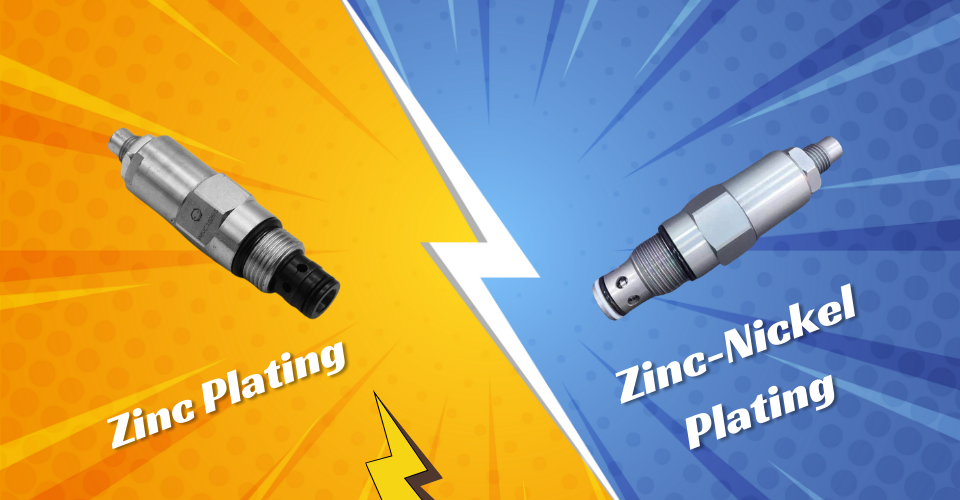
Le zingage est une technique qui consiste à déposer une couche de zinc sur un autre métal. Technique de protection très répandue, le zingage est principalement utilisé pour prévenir la corrosion, mais aussi pour d'autres raisons, comme la conductivité électrique et l'esthétique.
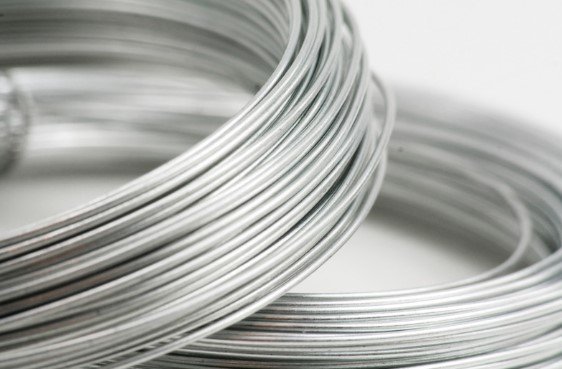
Qu'est-ce que le zingage ?
Le zingage est une technique qui consiste à fixer des ions zinc sur un autre métal, formant ainsi un nouveau composé protecteur. Ce procédé de zingage est une mesure de protection basée sur une technique chimique. Il permet d'obtenir une couche de zinc ultra-mince, économique et offrant une protection optimale contre la rouille, l'humidité et le vieillissement. Aujourd'hui, la plupart des industries utilisent le zingage sous une forme ou une autre. Les entreprises apprécient cette technique pour son prix abordable et sa capacité à prolonger la durée de vie de leurs produits et de leurs équipements.
Comment applique-t-on le zingage ?
Le zingage comporte de nombreuses étapes, mais en résumé, les ions zinc sont extraits d'un matériau de départ à l'aide d'un courant électrique. Ce courant confère une charge positive aux ions zinc, tandis que la surface du métal final est reliée à une électrode négative, ce qui la charge négativement. Une fois libérés, ces ions zinc positifs migrent vers le métal final, désormais chargé négativement, et s'y fixent par une autre réaction. On obtient ainsi de l'acier ou un autre métal recouvert d'une fine couche de zinc.
Le procédé de zingage est complexe et varie selon l'application. La durée du courant électrique influe sur l'épaisseur du revêtement final. La préparation de la surface détermine la qualité du revêtement, et même la température de la réaction et la composition de la solution liquide utilisée pour le transfert des ions zinc ont un impact sur le déroulement du procédé.
Seuls des experts possèdent les compétences nécessaires pour zinguer les métaux en toute sécurité et correctement. Mal appliqué, le zingage n'offre pas une protection fiable car il manque de résistance. L'application du zinc peut également s'avérer dangereuse car le procédé chimique implique des températures extrêmes, des vapeurs toxiques, des courants électriques, etc. Si vous tentez de zinguer des objets vous-même, vous risquez des brûlures, une électrocution ou des blessures physiques.
Pourquoi les entreprises utilisent-elles encore le zingage ?
Le zingage existe depuis des décennies, mais cette technique reste précieuse. Tout métal fragile peut être protégé par l'ajout d'une couche de zinc. Le zinc est abordable, et même une fine couche protectrice sur une grande pièce de métal la rend beaucoup plus résistante.
Le zingage est utilisé dans la plupart des industries car l'ajout de ce matériau protecteur permet de prévenir les dommages causés par les rayures et ralentit le développement de la rouille.
Le zingage est aujourd'hui utilisé sur une variété de composants industriels, notamment vannes hydrauliques et d'autres composants exposés à l'humidité. Les pièces sujettes à la corrosion durent beaucoup plus longtemps lorsqu'elles sont recouvertes d'une couche de zinc avant utilisation.
Le zingage est également utilisé pour améliorer la conductivité des circuits imprimés et de certains composants électroniques. Il crée des chemins complexes pour la circulation de l'électricité, permettant ainsi le fonctionnement de circuits électroniques plus complexes. Le zinc est aujourd'hui utilisé conjointement avec le cuivre et l'or dans de nombreux composants électroniques.
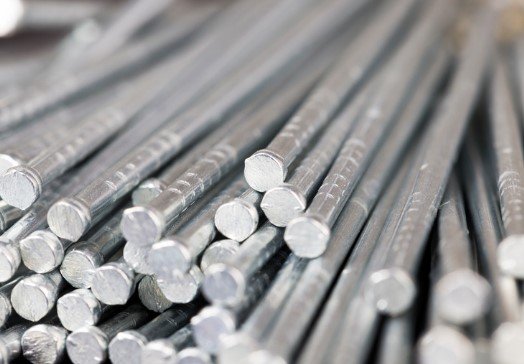
Pourquoi la galvanisation et le zingage ne sont-ils pas la même chose ?
La galvanisation et le zingage permettent tous deux de recouvrir le métal d'une couche protectrice de zinc. Il existe cependant des différences entre ces deux méthodes. La galvanisation offre une finition plus épaisse que le zingage, et les textures sont également différentes.
Le zingage utilise l'électrolyse et une réaction chimique pour appliquer une fine couche de zinc d'une épaisseur maximale de 0,025 mm, tandis que la galvanisation consiste à tremper l'acier dans du zinc fondu pour obtenir un revêtement d'une épaisseur maximale de 1 mm.
Le zingage est généralement utilisé sur les petites pièces ou celles pour lesquelles une finition lisse est souhaitée. La galvanisation est employée dans le bâtiment et dans des cas plus extrêmes où les objets sont exposés aux intempéries pendant des années. Pour une résistance maximale, on privilégie souvent la galvanisation, sauf lorsque l'esthétique est un critère important. Le zingage est alors généralement choisi lorsque protection et aspect sont tous deux essentiels.
Combien de temps faut-il pour que le plaquage zinc s'use ?
Il est impossible de prédire la durée de vie d'un zingage dans une application donnée. Dans certains cas, ce revêtement protecteur peut durer plusieurs décennies, mais dans des environnements humides et agressifs, ou lorsqu'il est utilisé sur des composants soumis à une abrasion régulière, sa durée de vie sera moindre. C'est ce qui explique la longévité du zingage. lors du revêtement de ces vannes hydrauliques, Cependant, son application sur un outil à main entraînera une dégradation rapide. Une couche de zinc typique ne dépasse pas 0,025 mm d'épaisseur, soit environ l'épaisseur d'un cheveu. Une couche aussi fine peut s'user rapidement par abrasion, notamment dans des conditions d'utilisation difficiles.
Quelle que soit la qualité du zingage, il ne garantit pas une durabilité éternelle au métal. Le revêtement devra être remplacé ou finira par se détériorer.
On ne peut pas garantir une protection optimale des métaux par simple zingage. Dans certains cas, la galvanisation s'avère plus appropriée. Pour gérer efficacement les revêtements protecteurs de vos produits, il est essentiel de connaître toutes les techniques de revêtement disponibles. C'est pourquoi la plupart des entreprises font appel à des experts pour les guider dans le choix entre la galvanoplastie et une autre option.
Les alternatives au zingage
Le zingage n'est qu'une des techniques de protection utilisées aujourd'hui dans différents secteurs industriels. De nombreuses entreprises privilégient désormais la galvanisation, le revêtement céramique et d'autres techniques pour leur protection.
- Revêtement électrophorétique – C'est une technique qui consiste à fixer des particules de peinture en couche en utilisant un principe scientifique similaire à celui de la galvanoplastie.
- Revêtement en poudre – Le revêtement en poudre consiste à faire fondre une poudre résistante à l'aide d'un courant électrique afin de former une couche protectrice. Il est disponible en de nombreuses couleurs et offre une protection fiable.
- Galvanisation – La galvanisation consiste à utiliser une réaction physique qui consiste à faire fondre du métal et à y plonger des objets. Il en résulte une couche de métal épaisse et rugueuse, souvent du zinc.
- Revêtement céramique – Des composés céramiques spéciaux sont pulvérisés au pistolet pour former une couche protectrice. Le produit final est lisse et offre une protection optimale.
- L'anodisation utilise des réactions chimiques, elles aussi alimentées par l'électricité, mais principalement pour l'aluminium. Ce procédé consiste à créer des couches d'oxyde qui protègent l'objet tout en modifiant son aspect.
Toutes les méthodes décrites offrent une protection, mais elles diffèrent du zingage. Il est important de comprendre que chaque solution n'est optimale que dans certains cas. Il est indispensable de consulter un expert pour obtenir la meilleure protection pour votre application, sous peine de subir une protection insuffisante.
Conclusion
Les métaux sujets à la corrosion deviennent beaucoup plus résistants grâce au zinc. Le zingage est un excellent traitement pour des matériaux comme l'acier. Ce procédé de protection spécifique est particulièrement efficace dans certains cas, mais pas pour tous. Consultez des experts et n'utilisez le zingage que lorsqu'il présente le plus grand avantage.

