


Flow Control Valve Chinese Supplier - Hydraflu Hydraulics
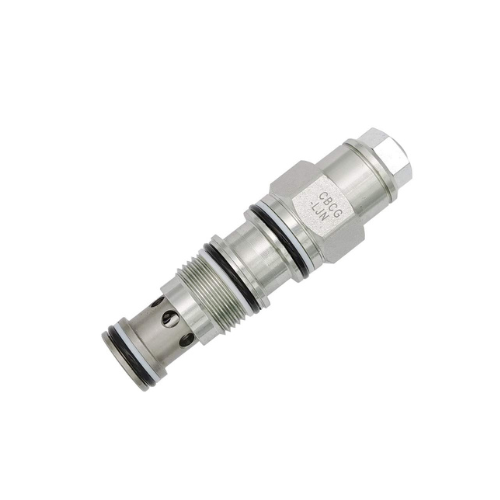
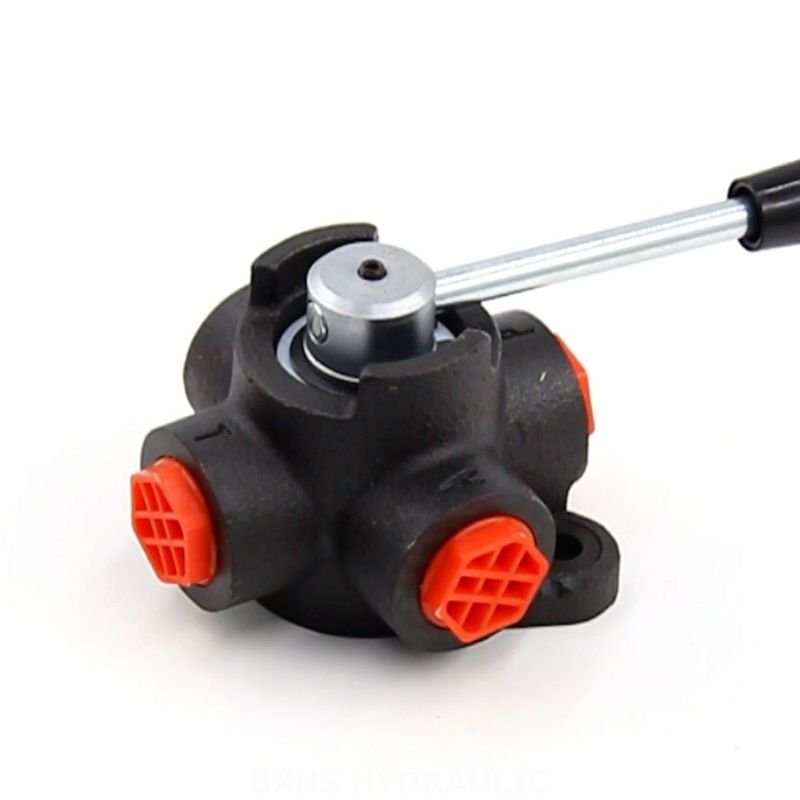
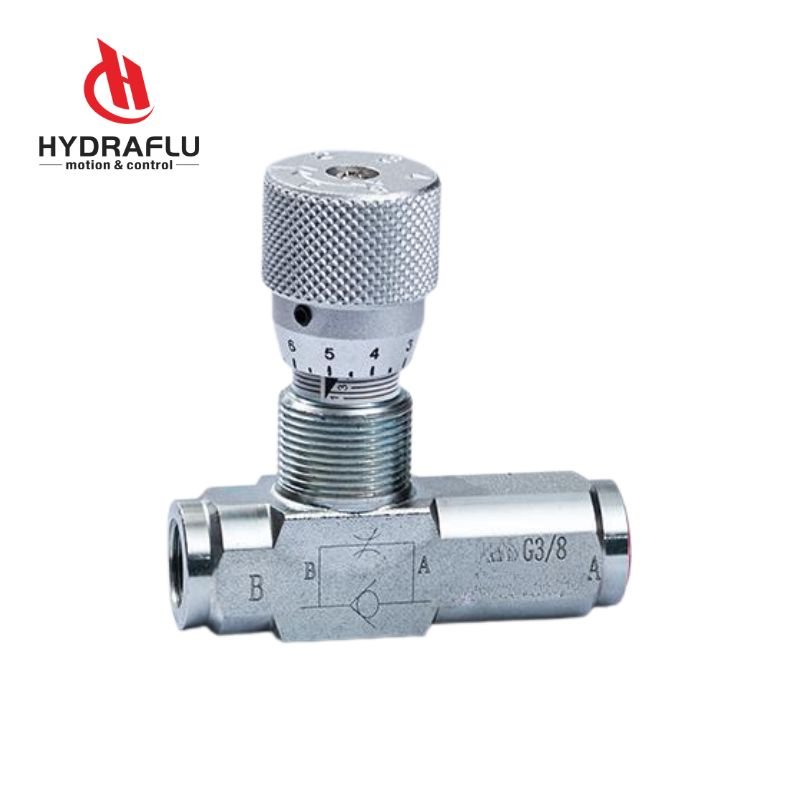
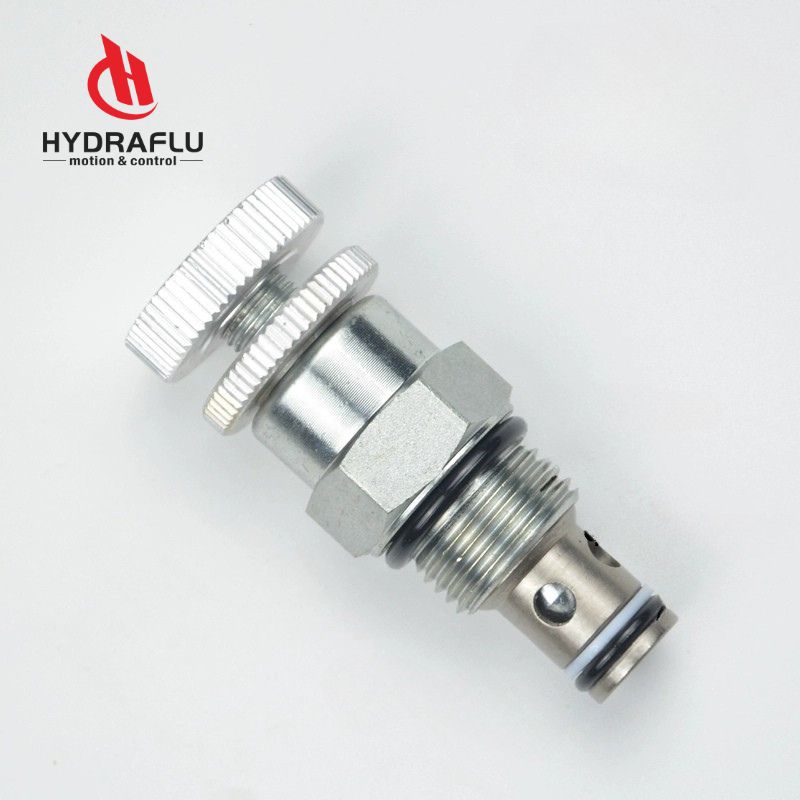
A Flow Control Valve is a hydraulic component designed to regulate the speed of fluid flow in a system. By adjusting the flow rate, it controls the movement speed of actuators (cylinders, motors) in machinery.
Core Functions:
✔ Precise Flow Regulation – Limits fluid passage via an adjustable orifice.
✔ Actuator Speed Control – Determines how fast a cylinder extends/retracts or a motor rotates.
✔ Process Stability – Ensures consistent operation under varying loads (if pressure-compensated).
Basic Analogy:
Think of it like a faucet—turning the handle adjusts water flow. Similarly, an Flow Control Valve adjusts fluid flow to control machine motion.
How Does a Flow Control Valve Work?
Variable Orifice Principle: The valve restricts flow by adjusting an opening (orifice). The smaller the orifice, the slower the flow.
Pressure Drop: Fluid passing through the restriction loses pressure, reducing speed downstream.
About Hydraflu




Benifits of Hydraflu Flow Control Valve

Critical for automation and safety

Reduces wasted flow (especially in bleed-off circuits)

Maintains speed even under heavy loads

Prevents jerky movements in cylinders/motors
Two Main Different Types of Flow Control Valve
Non-Pressure Compensated Valves: Flow changes if system pressure fluctuates.
Pressure-Compensated Valves: Maintain constant flow despite pressure changes.


Common Applications
Industrial Hydraulics:
- Injection molding machines (controlled mold closing).
- CNC machines (feed rate control).
- Presses (slow ram descent for safety).
Mobile Equipment:
- Excavators (boom movement speed).
- Agricultural machinery (seed/fertilizer metering).
Selection Guide of Flow Control Valve
Ask These Questions:
- Fluid Type? (Oil, water, air, chemicals)
- Flow Rate Needed? (Min/max GPM or L/min)
- Pressure Range? (Max operating pressure)
- Load Variations? (If yes, use pressure-compensated)
- Meter-In, Meter-Out, or Bleed-Off? (Depends on circuit needs)
- Need Reverse Flow? (Check valve required?)