


Steel is considered to be the most widely used metal today, which is why it’s useful to understand its melting point. The melting point of steel is between 1,150 and 1370 C or 2500 to 2800F. Steel is heated until it reaches its melting point and cast into different parts for use today.
What is the Melting Point of Steel?
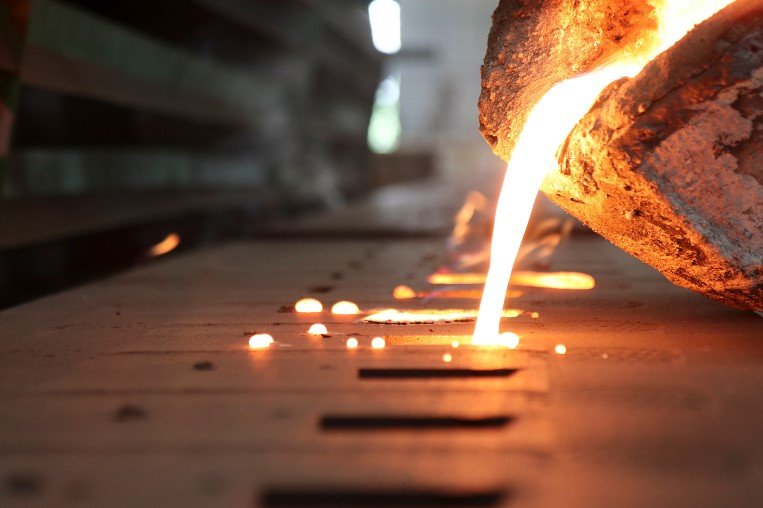
The melting point of steel is between 1,150 and 1370 Celsius or 2500 to 2800 Fahrenheit. As steel approaches these temperature extremes it begins to soften and eventually melts into a liquid.
Liquid steel can be cast into different shapes and have other metals mixed with it to change its composition. Steel has a variety of melting points because the composition of this metal changes depending on its use case.
As additional metals and other additives such as carbon, are added to the metal, its melting point either increases or decreases. Steel that’s meant for use around extreme temperatures may have additional carbon to increase its heat resistance further. High carbon steel requires higher temperatures to melt, which is why temperatures of 1370 C or 2800 F are sometimes necessary to melt steel.
The Melting Point of Different Steel Varieties
Mild Steel (0.05 – 0.25% Carbon)
Mild Steel or low-carbon steel is known for being softer and easier to melt than mid and high-carbon steels. This metal is a purer form of steel and melts at temperatures as low as 1350 C or 2462 F.
Medium Carbon Steel (0.30 – 0.60% Carbon)
As the amount of carbon present increases, mild steel becomes medium steel or medium carbon steel. This material is more rigid and has an increased melting point of about 1425 C or 2600 F.
High Carbon Steel (0.60 – 1.5% Carbon)
High-carbon steel is the hardest and most durable of the steel varieties. High carbon steel has the greatest concentration of carbon in its mixture and requires the highest temperatures of between 1425 and 1540C or 2600 to 2800 F to melt. High-carbon steel is used in knives, hammers, and many other tools for its strength.
Stainless Steel
Stainless steel is harder and far more resistant to corrosion than standard steel, and it has a melting point similar to high-carbon steel. Stainless requires temperatures of between 1,400 and 1530 C or 2550 to 2800 F.
| Steel Types | Content of Cabon | Melting point (Celsius) | Melting Point ( Fahrenheit) |
| Mild Steel | 0.05 – 0.25% | 1350 | 2462 |
| Medium Carbon Steel | 0.30 – 0.60% | 1425 | 2600 |
| High Carbon Steel | 0.60 – 1.5% | 1540 | 2800 |
| Stainless Steel | 0.03 – 0.1% | 1530 | 2800 |
Additional Factors that Influence Steel’s Melting Point
There are many factors that influence the melting point of steel, but the most important are the concentration of carbon in the metal, impurities present, and any alloys used in the metal’s mixture.
The addition of carbon into steel increases the melting point of the steel while making it harder and more durable. The presence of different impurities can reduce the melting point of steel and make it easier to melt and alter. The addition of alloys can also change the melting point of steel and will normally lower it. Understanding what changes the melting point of steel can help you achieve better results when melting and forming steel.

Why Steel is the Most Commonly Melted Metal Today
Steel is an incredibly durable metal that’s used in virtually every aspect of life. It can be fully recycled and is relied upon for its strength and durability. It’s used to make tools, vehicles, buildings, and much more. This affordable metal is melted and reused continually without structural degradation. This is why it’s melted so much today and why it will continue to be melted and reused.
The Melting Point of Other Common Metals
While steel is one of the most popular metals used today, there are many other metals worth knowing as well. Learn how the melting points of other common metals such as lead, nickel, aluminum, and copper are so different and understand how this changes how metals are used.
Aluminum
This lightweight material melts at 660 C or 1220 F and is prized for its low weight and corrosion resistance. The metal is easy to process and is reused regularly.
Lead
While lead isn’t used as commonly as it once was due to its health concerns, the heavy metal is incredibly easy to melt and only requires temperatures around 328 C or 622 F.
Copper
Copper is beloved for its ability to transmit electricity and is used most heavily today in wiring. Copper melts at 1080 C or about 1980 F. Once it’s melted it can be stretched and pulled into other shapes, making it easy to form into wires, pipes, and other structures.
Brass
Brass is a bright metal that resists corrosion and bacteria well. It’s used heavily for decoration today and melts at 930 C or 1710 F. Brass can be formed into nearly any shape and is another heavily used metal.
The Technology Utilized to Melt Steel Today
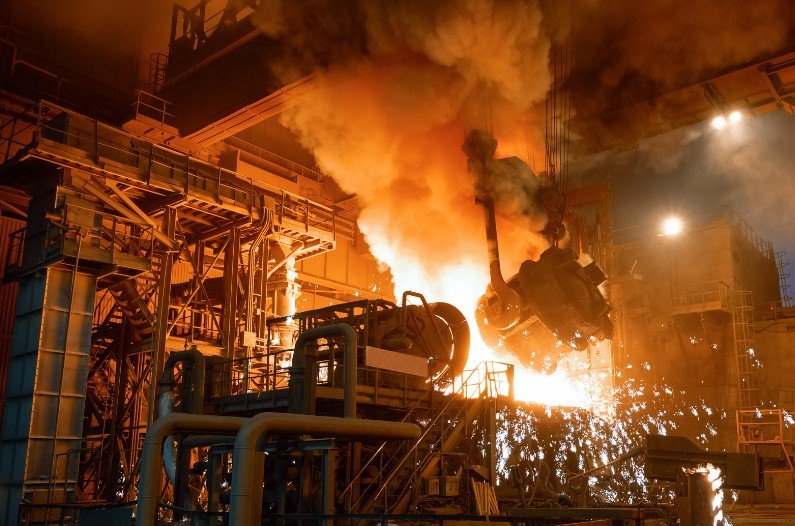
Steel is normally melted using either an electric arc furnace or an induction furnace. Both technologies work well to melt steel, but they accomplish the task in different ways.
Electric Arc Furnace
An electric arc furnace is a modern technology that heats steel and other scrap metals by directly exposing them to an electric arc. As an arc is maintained in the core of the scrap it liquifies into a pool of molten steel that’s removed from the furnace to be cast. Some of the melted metal remains at all times during the melting process so that new scrap pieces can be quickly melted.
An electric arc furnace is preferred over something like a blast furnace because it’s easier to start and stop and can be used to only melt metal when there is demand for it. An electric arc furnace can easily increase the temperature of steel beyond its melting point and is one of the most common ways to melt metal today.
Induction Furnace
Instead of using electrical arcs to melt metal, an induction furnace relies on magnetic fields. An induction furnace utilizes a magnetic field that changes directions repeatedly and quickly. As the magnetic fields change small eddy currents form within the steel in the furnace. These rotating currents continue in the metal and the metal rapidly heats up and begins glowing. Eventually, the steel liquifies and can be removed for use.
Induction furnaces are beloved for their ability to maintain specific temperatures and for how quickly they can be stopped and started for use on an as-needed basis.
Additional technologies are used to melt steel today, but most companies rely on either an induction furnace or an electric arc furnace for superior control and cost-effective heating.
Conclusion
By understanding what is the melting point of steel you gain an understanding of what technology is required to melt steel and how the process works. Steel is versatile and capable and companies that understand how to work with it effectively have a real advantage.

