


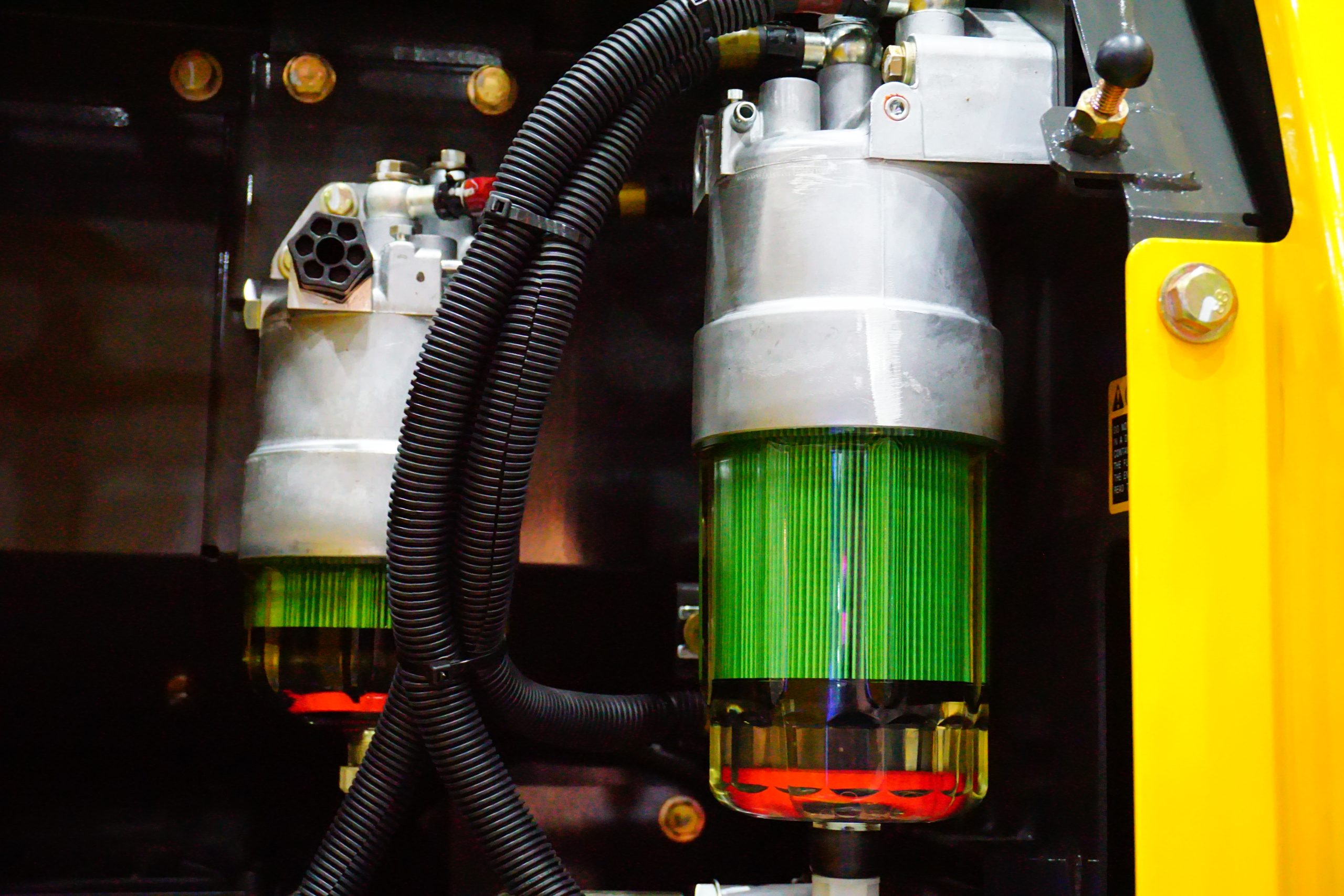
Maintaining your hydraulic system in optimal condition is essential for maximizing its longevity and operational efficiency. Central to this goal is a foundational maintenance practice: regular oil flushing. This article provides expert guidance to ensure the sustained performance of every component—from valves, manifolds, and pumps to critical actuators and connectors—by emphasizing the importance of systematic fluid maintenance.
Hydraulic Oil Flushing
Hydraulic oil flushing is a dirty and demanding maintenance work that yields very critical fruits for a hydraulic system. It also needs to be handled with precision. If you have ever worked with hydraulic systems, you might know that oil flushing is crucial as the system operates with hydraulic oils.
Most of the technicians consider it as just replacing the hydraulic oil. Whereas it’s about ensuring a complete clean-up of the system, that will prevent issues such as wear, tear, and contamination.
Why Hydraulic Oil Flushing Is Important?
Hydraulic systems are high-precision machines that rely on clean oil for proper functioning. Over time, contaminants like dust, metal shavings, and even water get into the hydraulic systems. These contaminants then cause friction and reduce its efficiency which leads to expensive failures. Therefore, hydraulic oil flushing is a step to get rid of these contaminants.
No matter whether you are working with Hydraulic liftgates or dock levellers or any other machinery such as cranes, excavators, tractors or construction machinery, without a proper oil flush, you are likely to face several issues, such as:
| 1 | Internal Wear and Tear | Contaminants can cause parts to grind against each other, leading to premature damage. |
| 2 | Reduced Operational Efficiency | Dirty oil can make the system less efficient, requiring more energy to perform the same work. |
| 3 | High Energy Consumption | The system works harder and will consume more power to operate. |
| 4 | Hydraulic System Choking and Collective Failure | The buildup of contaminants can cause sudden and costly failures. |
How to Determine When Your Hydraulic System Requires an Oil Flush
Like any well-tuned machinery, hydraulic systems provide clear indicators when maintenance is overdue—oil flushing being a critical intervention. Watch for these telltale signs to address issues proactively:
- Decreased Efficiency
A sluggish or erratic system performance—slower operation, jerky movements, or delayed responses—often signals contamination buildup. Particles or degraded fluid hinder smooth component interaction, demanding a thorough flush. - Abnormal Temperature Spikes
Hydraulic systems generate heat, but consistently exceeding the optimal operating temperature range is a red flag. Contaminated or degraded oil forces components to work harder, accelerating wear. Monitor temperature gauges closely. - Unusual Noises
Knocking, rattling, or whining sounds suggest two potential issues:
- Contaminated fluid (particles damaging internal surfaces): Requires flushing and oil replacement.
- Aerated fluid (air entrapment): Bleed the system to purge air, but if noise persists, inspect seals and consider a flush.
4. Fluid Discoloration or Debris
Fresh hydraulic oil is translucent and consistent in color (e.g., amber). Darkening, cloudiness, or visible particles indicate oxidation, water ingress, or contamination. Conduct regular visual checks or use oil analysis kits.
5. Frequent Filter Clogging
Filters trapping excessive debris signal high contamination levels. Replacing filters without addressing the root cause is a temporary fix. Persistent clogging mandates a full-system flush to remove sludge and particulate buildup.
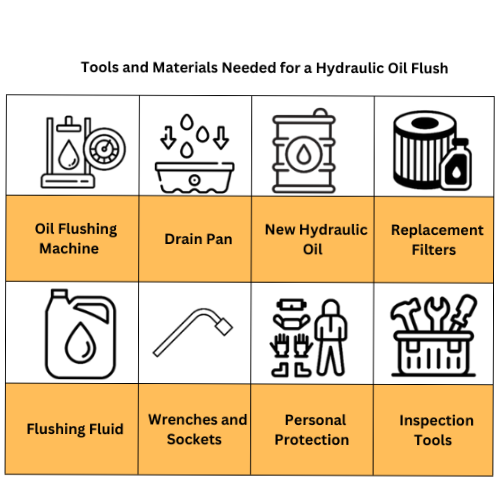
Tools and Materials Needed for a Hydraulic Oil Flush
Following is the list of tools and materials that you need to need to perform a hydraulic oil flush effectively: Step-by-Step Guide to Oil Flushing
Step 1: Prepare Your Tools and Workspace
First and foremost, prepare your tools and workplace. Give yourself enough space to work and organize everything well. Hydraulic system flushing can get messy, so wear proper PPE and keep spill-control materials nearby. The better an area is prepared for work, the faster the whole process is in much safer ways.
Step 2: Drain the Old Hydraulic Fluid
Next, turn off the hydraulic system and allow it to cool to a comfortable operating temperature. Put a pan under it to catch the old hydraulic fluid, then open up the drain plugs, allowing it to drain completely. Give it enough time so that as much old oil as possible can be drained. Residual old oil may mix with the fresh new fluid and degrade the effectiveness of the flush.
Step 3: Cleaning and Inspection of All Hydraulic Components
After draining, remove components like hoses and filters from the system, and visually inspect these for wear or damage. These should be cleaned using an approved solvent to eliminate any sludge or contamination that could interfere with the flushing process. Proper cleaning at this stage helps ensure that no dirt re-enters the system when flushing.
Step 4: Refilling with flushing fluid
Now add the hydraulic flushing fluid. It has been specially formulated to allow all the remaining contaminants to be loosened and taken out of the system. Fill the system to the right level, taking your cue from what is indicated in your equipment manual. The right level ensures efficient flushing.
Step 5: Flushing Fluid Circulation
Turn on the hydraulic system; let the flushing fluid flow in all components. This allows loosening of the dirt, grease, and other stubborn contaminants that may be lodged within the system. Let the fluid flow in the system at least for 30 minutes to direct proper flushing. Observe the flow if it is operating normally.
Step 6: Drain the flushing fluid followed by new hydraulic oil.
Once this is done and complete flushing has taken place, then fully drain off the flushing fluid. Next, refill with new, clean hydraulic oil to the recommended level according to your equipment’s manual. Finally, install new filters to ensure only clean oil circulates through the system.
Common Tips and Mistakes to Be Avoided While Flushing Hydraulic System
Filtration/Drawdown Separation
An in-line drawdown filtration unit might also serve effectively during a flush to remove contaminants. It allows for more thorough cleaning by filtering out suspended particles.
High Turbulence, High Fluid Velocity, Low Viscosity of Oil
Use low-viscosity flushing fluids to maximize turbulence. High velocity dislodges particles that might be lodged in the system and thus ensures that nothing is left behind.
High Flush Oil Temperature
It is also very effective to heat up the flushing fluid in order to enhance its ability to dissolve and remove contaminants. Warmer fluid tends to break down contaminants more efficiently.
Cycling Flush Oil Temperature
This cycling between warm and cool temperatures can be done cyclically to allow contaminants to become loosened up at various stages of the process to give a complete cleaning.
Pneumatic Vibrators and Hammers
These will be handy in dislodging sludge and other contaminants from such awkward spots in your hydraulic system. It may turn out a lot easier for the flushing fluid to carry contaminants out with the assistance of vibrations.
Electrostatic Particle Separators
This will ensure that even the tiniest contaminants are removed from the system, considering that electrostatic separation captures finer particles than that possible by traditional filtration.
Conclusion: The High Cost of Ignoring Hydraulic Efficiency
By now, you’re equipped with the knowledge to perform a hydraulic oil flush and recognize the warning signs of contamination. But why does this matter? System efficiency isn’t just about performance—it’s about profitability.
Regular oil flushing:
- Extends component lifespan, protecting costly valves, pumps, and actuators.
- Prevents unplanned downtime caused by overheating, sludge buildup, or filter failures.
- Reduces energy consumption, as clean fluid minimizes friction and heat generation.
Neglecting this maintenance risks more than breakdowns—it jeopardizes operational safety, inflates repair costs, and shortens your system’s service life.
Stay proactive. Stay efficient.
For expert guidance, custom solutions, or premium components, contact Hydraflu—your partner in hydraulic system optimization.

