


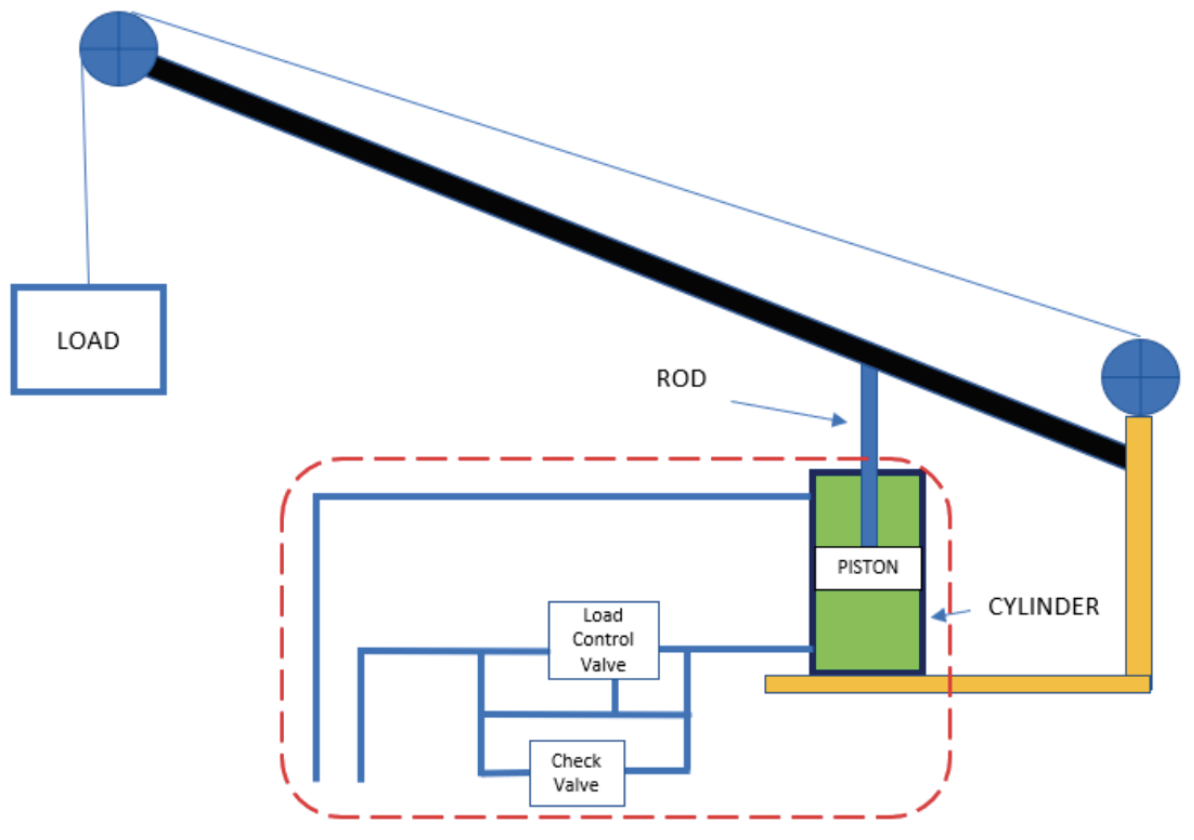
It is generally assumed that, with the presence of control valves, no other hydraulic safety device is needed. However, this assumption can become too risky, sometimes. It is because certain cases require a safety feature more than just control valve, especially for suspended loads such as construction cranes and water dams to lock the system in its position. In such situations, hydraulic cylinder locks are deployed to mechanically secure a hydraulic cylinder’s rod in its place, even in the complete absence of hydraulic pressure.
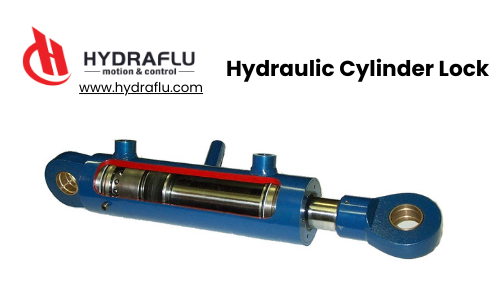
What is a Hydraulic Cylinder Lock and what are its Mechanisms, Benefits, and Applications?
A hydraulic cylinder lock is critical for load-holding applications, especially where failure could result in damage, injury, or catastrophic equipment malfunction. It works with a standard hydraulic actuator, which is integrated with a mechanical locking mechanism that engages when:
- The cylinder reaches a predefined position, or
- Hydraulic pressure is lost by any reason (fail-safe locking)
According to Hydraflu Researchers, these locks are essential in situations where loads must be held without continuous hydraulic input, such as elevated platforms, gate actuators, and load suspensions.
Due to their safety-enhancing capacity, hydraulic cylinder locks are widely used in construction machinery, industrial presses, lifting equipment such as liftgates, and infrastructure systems. All these applications require hydraulic cylinder locks for safety and system stability. Moreover, by preventing unplanned rod movement, these locks save energy in the system as well.
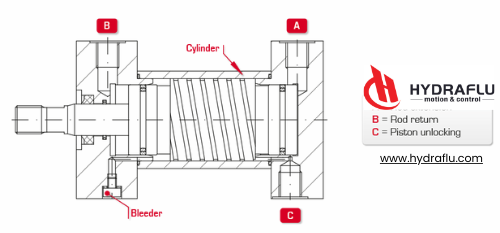
How Hydraulic Cylinder Locks Work?
The working mechanism of the hydraulic cylinder lock is straightforward:
1. Mechanical Locking Mechanism
Most of the locking cylinders use mechanical interlocks that engage at full extension or retraction. So, when the lock is engaged, it works as a physical lock that prevents hydraulic rod movement regardless of hydraulic pressure availability.
2. Load Holding Without Pressure
Once the cylinder lock is engaged, the load is securely held in place, even under heavy force or gravitational load, without needing any other hydraulic support. This is a key safety feature that protects both operators and equipment. Also, this feature makes them different from control valves and other safety components of the hydraulic systems.
3. Self-Acting Operation
The need for a hydraulic cylinder lock arises in cases where the manual action is either absent or there is no time to take such measures. So, many hydraulic cylinder locking systems are self-acting. It means they automatically lock or unlock as the cylinder completes its stroke, without manual intervention or external sensors. These features make them work as intended and designed. Otherwise, the purpose of locking the system may fail if manual action is needed.
4. Positive Locking Design
Some designs use a positive mechanical connection between the piston and cylinder body. This design element provides zero backlash, high stiffness, and exceptional resistance to drift or slippage when the locking is engaged. Because, in the absence of slippage or drift, the locking connections may loosen over time and become a safety hazard.
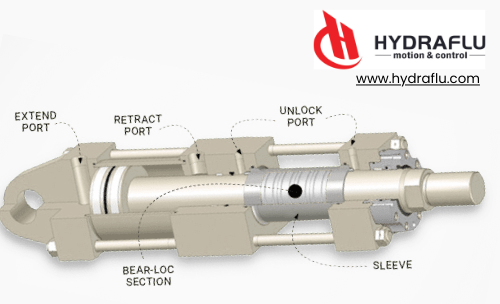
Automatic Hydraulic Cylinder Locking Systems
Advanced hydraulic cylinder locks means they are fail safe locks. The locking mechanism in these cylinders activate right at the moment when the hydraulic pressure is removed or lost by accident. By sensing the loss of pressure, they activate the locking mechanism of the cylinder and hold the load in its positions.
These hydraulic cylinder locks operate through spring-loaded designs where the cylinder is placed as an installable “head,” on top of the main actuator-rod end cap. The lock fits around the rod and clamps against it to prevent movement. You can find these locks pretty efficient by using them within their design limitations.
Types of Hydraulic Cylinder Locks
These locks come in common rod sizes that are widely used in 90% of the industrial applications.Moreover, these are reliable and operate without too much maintenance or replacement requirements. Furthermore, these locks are designed for the cylinder pressures of 2,500 psi or less, so you may not use them for high-load applications or with higher operating pressures.
Types of Hydraulic Cylinder Lock Systems
Basic Stroke-End Locking Cylinders
These types of cylinder locks rely on mechanical pins or latches that engage at full stroke positions. Their simple design and construction make them cost-effective, but they are limited to fixed lock points.
Stroke-Anywhere Locking Systems
Systems like spring-actuated collars or pneumatically released clamps lock the rod anywhere along its travel. These types of locks are advanced ones as compared to above mentioned and are ideal for variable position holding.
Integrated Interference Locks
The integrated interference cylinder locks use a metal sleeve that contracts on the rod when hydraulic pressure is removed. The sleeve expands under pressure to allow movement and contracts to lock without wear, backlash, or dependence on fluid pressure.
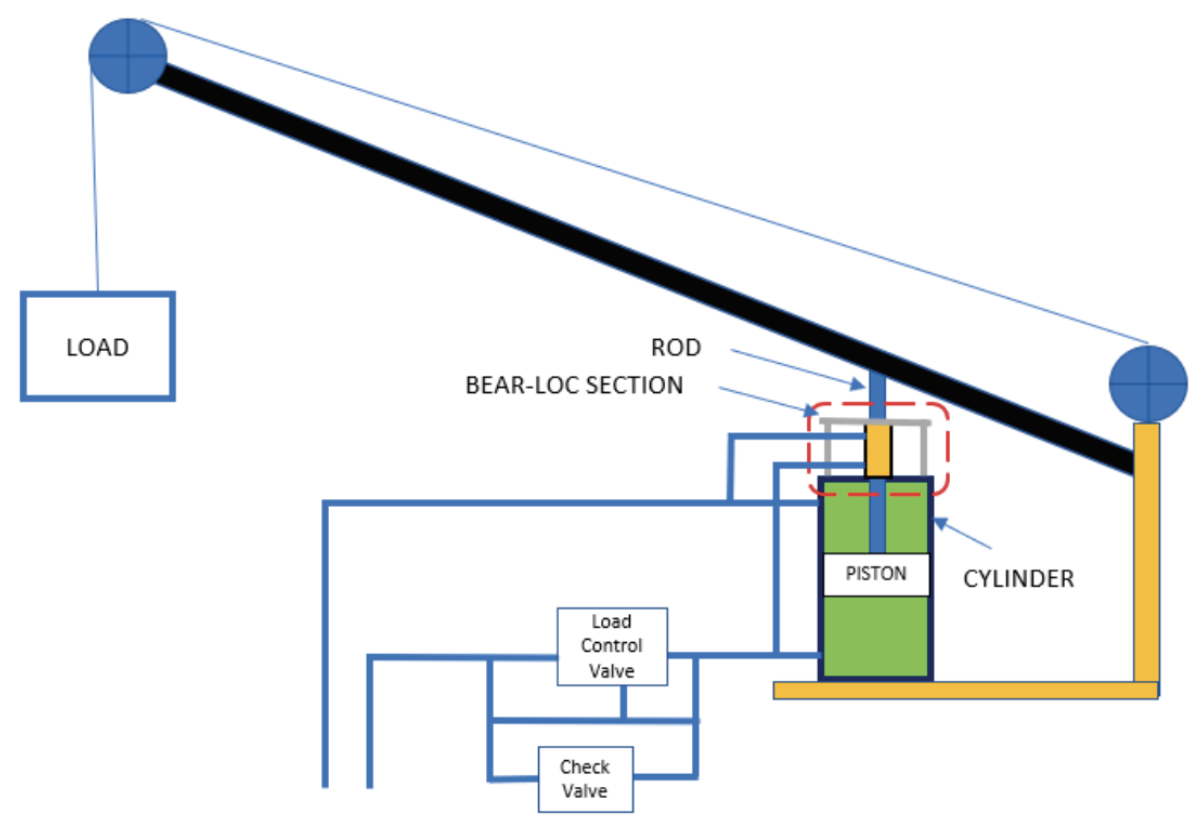
Benefits of Hydraulic Cylinder Locks
There are numerous benefits of using hydraulic cylinder locks, such as:
1. Safety of the System
By preventing load collapse or drift, locking cylinders safeguard equipment and operators, especially during emergency shutdowns or maintenance.
2. Stability of the System
Mechanical locking holds the load rigidly in place, eliminating reliance on seals, hoses, or valve integrity. This reduced the risk of wear and tear under load and failure of the system due to leaks.
3. Reduced System Wear
Because the hydraulic pump doesn’t need to constantly pressurise the system to hold a load, component wear is reduced. This extends the lifespan of the pump, seal, and actuator and other components.
4. Energy Efficiency
The ability to hold a load without consuming energy makes locking cylinders highly efficient and suitable for sustainable system designs, where loading requirements are needed for a prolonged time.
5. Operational Reliability
Locks such as Hydraflu Hydraulics maintain performance in harsh environments (e.g., underwater, corrosive areas), often lasting decades with minimal maintenance.
Applications Across Industries
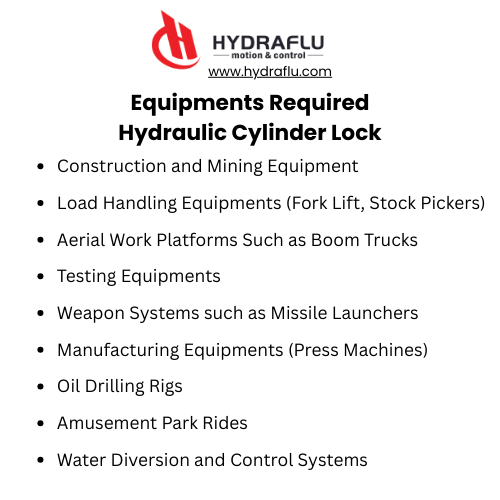
Hydraulic cylinder locks are widely used in:
- Construction equipment (cranes, excavators, aerial lifts)
- Hydraulic presses and machine tools
- Dam gates and hydropower systems
- Material handling and lifting systems
- Marine and underwater actuators
Real World Example of How it Controls Water Flow Gate
In water flow systems such as Dams, cylinder locks hold gates open or closed, even during a complete power loss. The lock maintains the gate’s position independently of hydraulic pressure, preventing flooding or mechanical damage to turbines. This is just one example, whereas you can observe other constructions and hydraulic presses as well.
Design Considerations for Finding Appropriate Hydraulic Cylinder Lock
You need to check your power needs; space available; operating pressure; operating environment for the right option to install hydraulic cylinder lock. Once you determine these parameters, you can find the most appropriate option for your system. Moreover, the choice of locking technology should balance performance, safety, reliability, and lifecycle costs.
Final Words
Hydraulic cylinder locks provide unmatched safety and performance in applications where load holding is critical. Whether through self-acting mechanical systems or advanced designs, these locks reduce reliance on hydraulic circuits for stability, minimise wear, and deliver fail-safe functionality across a wide range of industries.
For high-stakes hydraulic systems, components and other parts, feel free to reach out to Hydraflu Hydraulics and get the world-class products delivered to your doorstep.

