



Hydraulic Tank Manufacturer-Hydraflu hydraulics
The hydraulic system is the power source of industrial equipment, and the tank is its “heart.” A well-designed and meticulously manufactured hydraulic tank is far more than just a container—it is the cornerstone of system cleanliness, cooling efficiency, and long-term stable operation. Choosing hydraflu’s hydraulic tank means not only selecting a component but also opting for peace of mind and a guarantee of reliability.
If choosing an inappropriate hydraulic tank, it may cause the following problems:
- Contamination: The intrusion of contaminants, moisture, and dust from the Hydraulic reservoir into the system leads to jamming of precision valve components, accelerated pump wear, high maintenance costs, and substantial losses from equipment downtime.
- Inaccurate capacity of Hydraulic Tank: it can result in poor heat dissipation and excessively high oil temperature, which in turn causes oil oxidation and degradation (aging), viscosity reduction, seal failure, reduced efficiency, and even complete system failure.
- Poor weld quality and inadequate seal design of the hydraulic tank: It results in oil seepage and leakage, which not only wastes resources but also causes ground pollution and safety hazards.
- Poor installation compatibility and wasted space: Standard-sized Hydraulic tanks cannot adapt to the space of non-standard equipment, while customized tanks involve long lead times and high costs.
About Hydraflu


Hydraulic Tank Categorized By Material

Hydraflu’s hydraulic tank is made from high-intensity industrial plastic, specifically Polypropylene (PP), Available in various configurations and capacities to meet the system’s design requirements.

Hydraflu’s steel hydraulic tank’s Interior: special anti-corrosion coating. Exterior: derusted, anti-rust paint + finish coat (color customizable). For harsh conditions.

The aluminum alloy die-casting process offers the Hydraulic Reservoir tank a lightweight, aesthetic appearance and leak-free reliability.

We also integrate sponge filter and copper filter in the reservoir cap, NPT and BSPP threads.

Simple structure for easy monitoring. The combined level and temperature gauge meets most customers’ needs.
Stainless Steel Hydraulic Tank
Ideal for applications requiring high corrosion resistance, such as the food processing, chemical, and offshore industries. It offers excellent durability and is easier to maintain than standard steel.

Hydraulic Reservoir Tank of Different Capacity

Manufactured from high-strength plastic, our tanks are built to withstand long-term outdoor exposure without cracking or deforming. Available in a variety of shapes and capacities to meet your hydraulic equipment installation requirements. Please contact our sales team for other specifications.

Manufactured from high-strength plastic, our tanks are built to withstand long-term outdoor exposure without cracking or deforming. Available in a variety of shapes and capacities to meet your hydraulic equipment installation requirements. Please contact our sales team for other specifications.
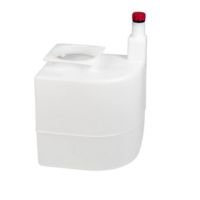
Manufactured from high-strength plastic, our tanks are built to withstand long-term outdoor exposure without cracking or deforming. Available in a variety of shapes and capacities to meet your hydraulic equipment installation requirements. Please contact our sales team for other specifications.
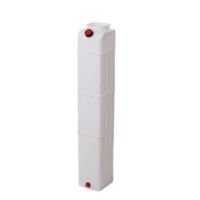
Manufactured from high-strength plastic, our tanks are built to withstand long-term outdoor exposure without cracking or deforming. Available in a variety of shapes and capacities to meet your hydraulic equipment installation requirements. Please contact our sales team for other specifications.

Hydraulic oil tanks can be customized in various sizes, including vertical, horizontal, cylindrical, rectangular, and special-shaped tanks. Both the interior and exterior surfaces are treated with baked paint, ensuring an aesthetically pleasing, durable, and rust-resistant finish.

The hydraulic oil tank is scientifically designed in terms of size, placement, and heat dissipation. It features robust panel materials and an interior wall treated with anti-rust processes such as pickling and phosphating, allowing for the application of required paint coatings. Size:520*400*290*60(Foot)
The hydraulic oil tank is scientifically designed in terms of size, placement, and heat dissipation. It features robust panel materials and an interior wall treated with anti-rust processes such as pickling and phosphating, allowing for the application of required paint coatings. Size:700*480*370*60(Foot)
The hydraulic oil tank is scientifically designed in terms of size, placement, and heat dissipation. It features robust panel materials and an interior wall treated with anti-rust processes such as pickling and phosphating, allowing for the application of required paint coatings. Size:780*580*440*60(Foot)
The hydraulic oil tank is scientifically designed in terms of size, placement, and heat dissipation. It features robust panel materials and an interior wall treated with anti-rust processes such as pickling and phosphating, allowing for the application of required paint coatings. Size:980*603*450*105(Foot)
Customers Also Like


The tank’s capacity is not arbitrary; it is sized based on the system’s flow rate and pressure to ensure adequate cooling and residence time for the fluid. General guidelines suggest the effective volume (80% of total height) should be:
2 to 4 times the pump’s flow rate for low-pressure systems.
5 to 7 times the pump’s flow rate for medium-pressure systems.
10 to 12 times the pump’s flow rate for high-pressure systems.
For systems with large, continuous loads, the size may be calculated based on heat generation.
Regular maintenance focuses on fluid and component cleanliness:
Fluid Level: Check the level gauge regularly to ensure it is within the recommended range.
Fluid Condition: Monitor the fluid’s color and temperature. Maintain an operating temperature typically between 15°C and 65°C.
Filter Maintenance: Replace or clean air filters and fluid filters according to the service schedule. A clogged filter can cause serious problems.
Fluid Cleaning: Regularly change the oil and clean the tank; cleanliness is critical to prevent dirt from entering the system.
Air Filter (Breather), Oil Level Gauge (Sight Glass), Temperature Gauge, Filler Cap/Quick Coupling, Drain Plug, and Baffles.