


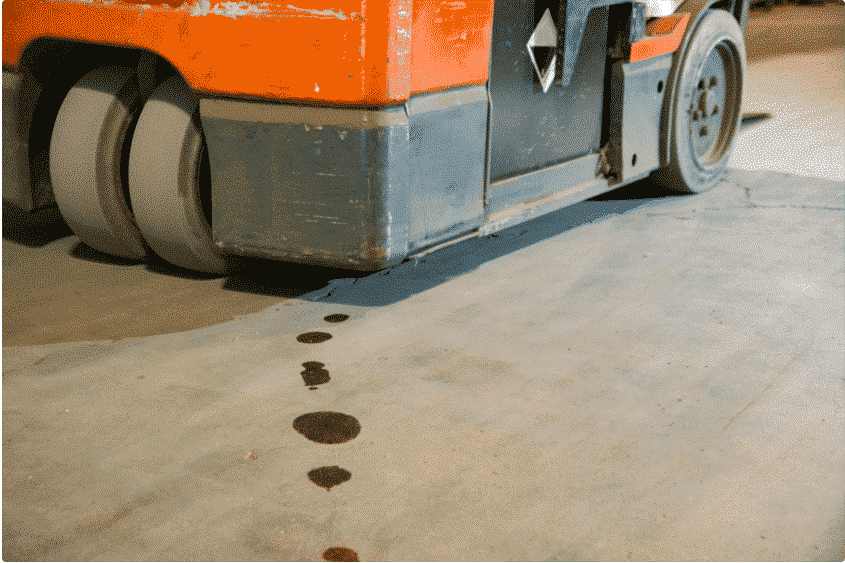
Hydraulic fluid spills are the worst kind of workplace surprise, messy, hazardous, and annoyingly stubborn. Ignoring a spill can lead to a lot more than just a dirty floor. Think of costly accidents, environmental nightmares, and equipment damage. Cleaning it up isn’t just a good idea; it’s absolutely essential.
Dangers of Ignoring to Hydraulic Fluid Spill
You should not take hydraulic fluid spills lightly. These spills pose significant risks that go beyond just a slippery floor and stains on the surface.
Firstly, they are a major safety hazard. Because the hydraulic fluid is slipperier than a bar of soap in a bathtub. Your one wrong step can lead to a workplace injury that could’ve been avoided with proper clean-up.
Along with your safety concerns, there are a lot of environmental consequences of such spills. For example, a hydraulic fluid that was left unchecked can seep into the ground or nearby waterways during washing or cleaning. It causes long-lasting damage to the ecosystem. This kind of environmental harm can lead to hefty fines by the municipal authorities.
Last but most importantly, hydraulic oil spills can be damaging to your costly equipment. Consider that, if a hydraulic fluid spillage gets near the base of expensive machinery, it can lead to corrosion or malfunctioning in certain cases, which will add to your costly repair expenses.
Always Remember! Damage Prevention is far cheaper and far less hassle.
Understanding Different Types of Hydraulic Oil Spills
Not all hydraulic spills are created equal, and the type of fluid involved makes a big difference in how you should respond.
Synthetic Oil Spills
Synthetic oils are particularly challenging. They’re slick, resistant to absorption, and often toxic. So, very careful handling is inevitable in their case to ensure they’re fully cleaned up.
Petroleum-based Oils Spills
Petroleum-based oils are a bit easier to manage but still need a methodical approach to ensure complete cleanup and to prevent any lingering risks.
Water-based Hydraulic Fluid Spills
There are water-based fluids, which might sound harmless, but they still create dangerous conditions on surfaces and need proper attention just like any other spill.
How to Clean Hydraulic fluid Spill Effectively
Let’s get quickly on the most efficient clean-up methodology. When a spill happens, it’s crucial to respond quickly and correctly. You can learn how to handle it without losing your mind or your job from the methodology ahead:
Safety Measures to Protect Yourself by Wearing Safety Gear
The first step is always to protect yourself during such oil-cleansing operations. So, always gear yourself up with proper personal protective equipment (PPE) such as safety gloves, safety goggles, and protective suits. Cleaning up hydraulic fluid can be toxic, so there is no point in risking your health. Plus, no one wants a surprise trip to the hospital just because of chemical exposure.
Contain the Oil Spills with Oil Booms
The next step is to contain the hydraulic oil spill. Containing the spill is a crucial quick step to perform. For this purpose, Oil booms or industrial-grade berms are appropriate to use as barriers or containers. Any of these can be used to hold the spillage in one place. This containment will surely help you to minimize the cleaning time and also stop it from spreading towards machinery.
Absorption for the Left-over Hydraulic Fluid
Once the oil spill is contained, you need to lay down the absorbent pads to soak up the leftover oil. Materials like absorbent socks can also be used in warehouse and storage areas. This helps best to tackle oil spills that have spread underneath pallets or shelves.
For smaller and minor spills, you can use Cat litter, sawdust, baking soda or cornmeal as a cost-effective alternative. Whichever material you are going to use, spread it evenly on the surface you are cleaning.
Use of heavy-duty Granules for Leftover Fluid
Floor areas and workshops usually use granules for any leftover fluid. Granules of diatomaceous earth, vermiculite, bentonite clay, corncob granules, or commercial absorbent work effectively in such operations. Sometimes peat-moss is also used because of its high absorption capacity of hydraulic fluid and it is a cheaply available option. Similar to the soaking step, spread the granules too over the affected area and give them time to work before collecting.
Removing Stains from the Surface
If hydraulic oil has left stains on concrete, you can use hydraulic cleaning solvents made from sodium orthophosphate or finely ground calcium carbonate. Both of these are best for surface cleansing. Baking soda mixed with vinegar is another option for lifting stains.
Dispose of Waste the Right Way
Disposing of requires safety measures and instructions to be followed. Regular authorities of industrial areas always provide such instruction to dispose of all types of industrial wastes. You need to adhere to these instructions to dispose of the soaking pads and granules. Improper disposal isn’t just bad for the environment but it can also lead to fines and other legal issues.
Final Thoughts
Hydraulic oil cleanup isn’t a glamorous job. It’s dirty, time-consuming, and tedious. But getting it right is essential. Proper cleanup keeps your workplace safe, keeps your equipment in good working condition, and keeps you clear of fines and penalties. So next time you face a hydraulic mess, remember these steps and handle it like a pro.
HYDRAFLU Hydraulic Technology Co. has served the hydraulic industry for over 10 years, providing hydraulic power units, motors, valves, pumps, and more. With strict product testing and high-quality components, we ensure reliable performance, offering extended warranties and lifetime repair services for customer satisfaction.

