



Introduction
Dry running of pumps or any hydraulic machinery is highly damaging to the equipment and costs hundreds of dollars to get the repair work done. Most often, the wear and tear only provide you with the option to replace the pump if damaged by dry running. For a quick understanding, the dry running occurs when your pump operates without the fluid it needs for lubrication and cooling. It leads to overheating, component wear and tear ultimately failing the pump. This can be caused by insufficient fluid levels, blockages, or pump cavitation, and some other reasons to be explored further here.
Why Dry Running of Pumps is a Serious Issue?
Dry running of pumps is a serious issue because it leads to excessive damage not only to pumps but the whole system that the pump is supporting. Lubricants and fluids not only make the running frictionless but also dissipate the heat of the pumps. So, when it runs dry, the frictional losses, the wear and tear in sealings, bearings and moving parts increase, which increases the heat generation and seals and gaskets get damaged. Due to all these, the pumps fail.

What Causes Dry Running in hydraulic systems?
There are dozens of causes for the dry running of pumps:
- Improper priming before start-up
- Air entrainment or cavitation issues
- Leakages in the suction line or faulty valves
- Operator error during maintenance or commissioning
- Low fluid levels in the reservoir
- Faulty level sensors or alarms
Lack of Lubrication
All the rotating machinery, including pumps (especially centrifugal pumps), relies on the pumped fluid to lubricate its internal components, such as seals and bearings. With the absence of lubricant fluid, the friction in the pumps increases, which builds up heat, and with excessive heat beyond design parameters, the seals of the pumps may get burned or cracked, which leads to further leakage and failure of the pumps.
Overheating of the Pump
Lubricant oils do not just lubricate but also help in the dissipation of heat. With no fluid to absorb and dissipate heat, pump internals, especially the impeller and casing, can overheat. This leads to thermal expansion and may cause deformation or warping, which is critically dangerous and can permanently damage the pump housing and shaft.
Seal and Impeller Damage
Pumps also contain mechanical seals that are especially vulnerable in dry-running situations because they can fail within seconds during dry running. Moreover, the impellers may rub against the casing, leading to wear or scoring.
Cavitation Risk
Cavitation is the presence of air vapours or bubbles collapsing in the pumps. When the pump runs dry, air can be sucked into the system, leading to cavitation. This causes pitting damage and vibrations, which further reduce the efficiency and lifespan of pumps.
Momentary vs. Prolonged Dry Running of Pumps
The duration of dry running of pumps is directly related to the severity of the issues it may cause over time. There can be two situations of dry running of pumps, momentary and prolonged. Momentary dry running of pumps, lasting only a few seconds, may cause minor wear or heat buildup, but is often tolerable in some pump designs if infrequent. However, prolonged dry running, lasting for minutes or more, is highly damaging, leading to overheating, seal failure, cavitation, and potential pump burnout.
The momentary dry running might not cause immediate failure, but repeated or extended incidents can severely reduce pump life. Prolonged dry running almost always results in significant damage and costly repairs.
Types of Pumps Affected by Dry Running of Pumps
Differences in susceptibility to dry running based on the design and lubrication needs:
| Pump Type | Dry Running Tolerance | Notes |
| Gear Pump | Low | Needs fluid for gear lubrication |
| Vane Pump | Low to Moderate | Vanes wear quickly without fluid |
| Centrifugal Pump | Low | Seals and impellers overheat easily |
| Diaphragm Pump | High | Can run dry without damage |
| Peristaltic Pump | Very High | Ideal for dry run situations |
Effects and Consequences of Dry Running of Pumps
The effects and consequences of dry running of pumps can cost you much more in repairs, and sometimes the entire replacement of the pumps. Some of the most damaging effects of dry running of pumps include:
- Mechanical Damage such as scoring, galling, or seizing of internal components.
- Overheating of the pump due to friction-induced heat caused by a lack of lubrication.
- Seal, washers, and bearing failures due to heating and vibrations
- Decreased efficiency or total pump failure
- Contamination of hydraulic fluid from degraded components within pumps and debris
Detection and Warning Signs of Dry Running of Pumps
Dry running of pumps can be detected through several warning signs that indicate abnormal operating conditions.
- One of the most common indicators is unusual noise, such as screeching, whining, or grinding, caused by metal-to-metal contact due to a lack of fluid lubrication.
- Another sign is that the pressure drops or erratic pressure readings may occur as the pump loses its ability to maintain proper flow. It is a signal of possible suction loss.
- Additionally, increased temperature at the pump housing is a critical sign usually resulting from friction and a lack of fluid cooling.
- Operators may also notice excessive vibration, which can stem from internal component imbalance or cavitation.
Over time, these conditions lead to rapid wear of seals, bearings, and other moving parts, highlighting the importance of early detection and immediate corrective action.
Prevention Strategies
Dry running can be prevented through several key strategies:
- The first thing includes proper start-up procedures such as priming and bleeding air.
- Then comes the installation of dry run protection sensors that will help you to know when your pump is drying up so that you can add the oil or fluid to prevent dry running.
- The third thing is conducting regular maintenance checks on fluid levels and suction line integrity. If you have sensors, you can assess the data from the sensors and take prompt measures.
- Moreover, implementing automated alarms and interlocks to shut down the pump during abnormal conditions can also help you to prevent the severe damage of dry running of pumps.
 Real-world Example of Dry Running of a Pump
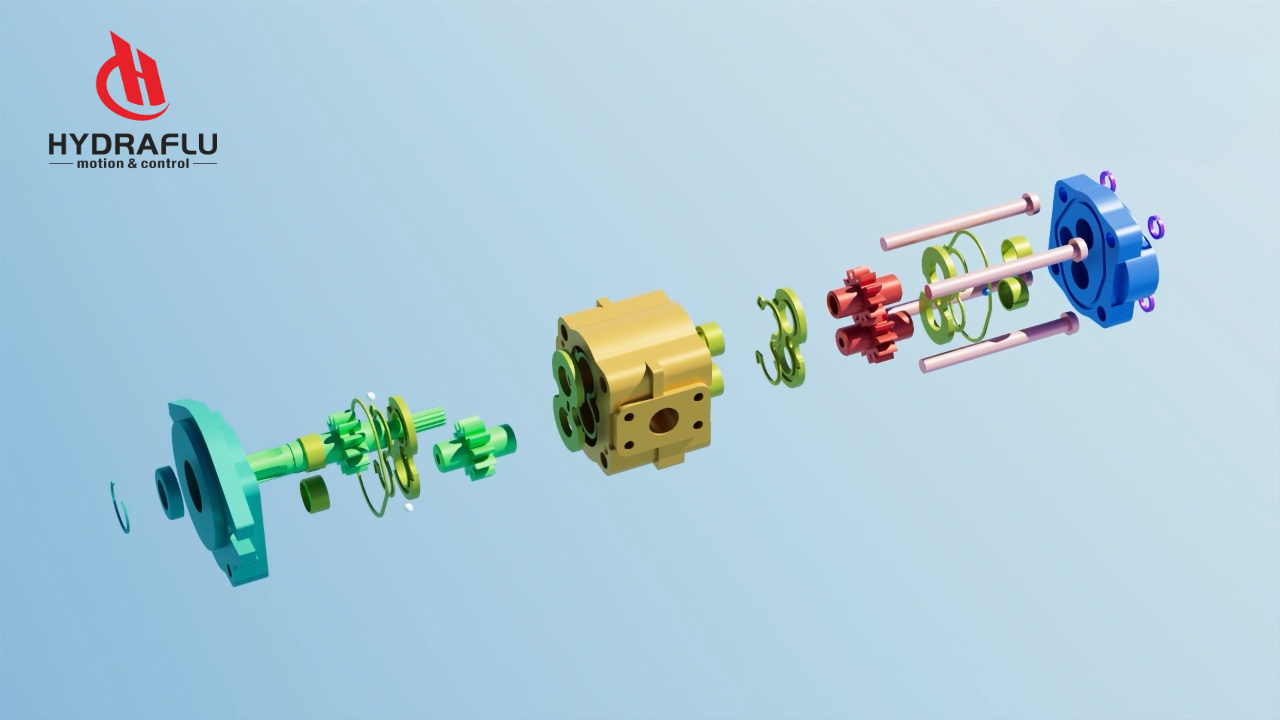 Real-world Example of Dry Running of a Pump
Let’s understand this from a real example. A large steel manufacturing plant relies on hydraulic pumps to operate its continuous casting machine. If one of the primary pumps, responsible for circulating hydraulic fluid to the Mould oscillator, gets dry and goes unnoticed, it will jam the whole casting process. Which probably will take hours of unplanned shutdown maintenance and loss of a huge amount of money and labour hours.
Production may be halted for more than 36 hours, causing a significant financial loss estimated at $150,000, including downtime, repairs, and fluid replacement. Further details will be revealed by an investigation, like whether the sensor was faulty or there were priming interlocks.
Conclusion
Pumps are an essential component of industrial operations. No matter whether hydraulic systems are there or not. Also, pumps are rotatory equipment and they have to be lubricated to keep frictional wear and tear as least as possible. Dry running of the pump is the most common cause of failure of pumps, which is often ignored or delayed. This delay causes massive maintenance losses and operational hurdles. With a correct understanding of lubrications and other preventive methods, you can prevent your pumps from failing. Moreover, you can keep your system efficient.
For hydraulic machinery like pumps, hydraulic manifold blocks, hydraulic power packs and valves, feel free to reach out to Hydraflu for a quick quote and delivery.

