


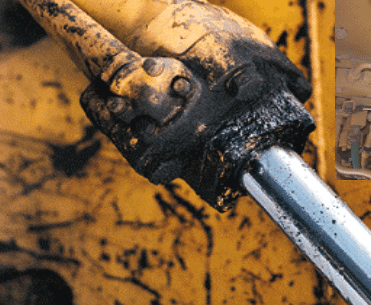
Hydraulic oil leaks pose potential harm and danger to every hydraulic system. Although these leaks are far too common in machinery maintenance, many mistakes still occur while fixing them. Whether you are an experienced technician or just starting to service hydraulic systems, you need to learn about hydraulic oil leaks.
In this article, you will learn all the necessary details about these and also how to fix them.
Common Hydraulic Oil Leakage Causes
Hydraulic oil leaks do not happen randomly, it takes time and it gives symptoms before the actual leak happens. These are some issues that are usually found as the cause of this leakage:
Contamination of the Oil in the System
Systems are operated under various industrial environments and are exposed to many contaminants. Solid particles, water, or air can impair the hydraulic system’s ability to function. These contaminant particles can damage seals and O-rings, which can lead to oil leaks.
Fluctuating Temperatures
High temperatures can cause hoses and flange gaskets to break down, crack, and degrade, which can lead to leaks. On the other hand, Low temperatures can make hoses brittle and more likely to crack.
Oil Degradation and Composition
Hydraulic Oils are meant to be used and degrade with the passage of time. It happens due to oxidation (oxygen), hydrolysis (water), and thermal degradation (high temperature) when the machines operate. Degraded oil is one of the causes that leaks through the system.
Hydraulic Hose Failures
Hoses are the veins of your hydraulic system. Unfortunately, they are often prone to damage due to constant flexing, pressure fluctuations, abrasion, and temperature variation. If you do not deal with them properly, it can lead to external leaks.
Seal Wear and Tear and Failure
Seals are used to contain pressure, but with time they degrade which leads to leaks. The degradation happens due to multiple reasons such as heat, vibration, dry running pumps, or ageing. If you spot hydraulic fluid puddles near fittings, then it may be due to worn-out seals.
Incorrect Fittings and Connections – Installation Mistakes
Mistakes while installation of fittings result in too loose or tight fittings. Both of these extremes can also cause leaks. This makes the system’s link weak and if components are not connected properly, hydraulic oil will find its way out.
How to Detect a Hydraulic Oil Leak
Detection is an essential step that leads the way to managing leaks before they become a costly repair disaster. There are numerous ways to detect hydraulic oil leakages, however, we have mentioned the 9 most frequently and commonly used techniques.
| No. | Method | Details |
| 1 | Visual Detection | Visually inspect hoses, seals, and fittings. Look for oil stains, puddles, or areas where dust seems to be clinging to oily patches. |
| 2 | Puddles of Fluid | Puddles of fluid under your machine are a clear sign of a leak. The fluid can be of various colours but is usually doorless. |
| 3 | Hydraulic Oil Levels | Regularly monitoring the hydraulic oil levels in the reservoir to see if it’s dropping can also indicate that oil is leaking from the system. |
| 4 | Unusual Noise | If you hear unexplained noises, it could be a sign of a leak. |
| 5 | High Temperatures | If the hydraulic system is becoming hot quickly, it means it has insufficient pressure or lubrication, so it could be leaking. |
| 6 | Deteriorated Hoses | Deterioration is a part of the component life cycle. With time, hoses are cracked or become bulged. You can inspect this as a sign of leakage. |
| 7 | Fluid Dye Test | A specialized fluid-based dye for hydraulic systems can make leak points more visible. |
| 8 | Cardboard Test | Move a piece of cardboard around the area that you think may leak. If the cardboard darkens or discolours, there’s a leak. |
| 9 | UV Leak Detectors | UV equipment can be used for hard-to-find leaks. It is a kind of tool that helps you spot leaks where they aren’t obvious at first glance. |
Safety Risks Associated with Hydraulic Oil Leaks
Hydraulic oil leaks can have significant environmental impacts. These are toxic, and their leaks can contaminate soil and waterways, harming wildlife. Another health and safety issue is slipping hazards, and fire risks that can endanger workers’ lives.
Preventive Measures for Hydraulic Oil Leaks
Preventing leaks is all about being a proactive operator. Following the details mentioned above, you can prevent the leaks. It starts when you assemble and install the components of the hydraulic system. You need to make sure that you are not fitting too loose or too tight. For appropriate fitting, you can follow the installation manuals.
Another measure you can take is to inspect hoses, seals, and fittings regularly to catch small issues before they lead to leaks. Finally, you need to understand that different hydraulic systems need different kinds of oil. Using the wrong oil type may lead to leaks. Here again, you need to check your manufacturer’s guidelines before topping up that tank.
How to Fix a Hydraulic Oil Leak: Step-by-Step Guide
Identifying the Source of the Leak is the first step. This might be a hose, fitting, or seal. Once you locate the source, you’re already halfway there. Then you have to make sure you have the right tools and protective gear.
After this, you can replace whatever’s broken or worn out. Just make sure that the replacements you are carrying out are from trusted manufacturers like Hydraflu and are designed to handle the specific pressures of your system.
Conclusion – A Leak Free Hydraulic System
Hydraulic oil leaks are an unavoidable part of maintaining hydraulic systems, but they don’t have to be a constant headache. To minimize the risks of leakages, keep everything clean and ensure oil levels are topped up. Understanding their causes, detection methods and timely repairs can save you time, money, and environmental

