


Hydraulic systems use pressurized fluid to create huge forces and careful control. They’re workhorses in many important industries. Why are they so common and useful? Because they:
- Are strong but compact
- Move smoothly
- Work reliably even in tough conditions
- Can be controlled very precisely
You’ll find these vital systems doing critical jobs everywhere – from lifting massive weights to controlling airplane parts. You can explore more about hydraulic system.
Here are 10 common fields to using hydraulic system:
1. Construction & Earthmoving:
Applications: Excavators, bulldozers, backhoes, wheel loaders, steer skid loaders, compactors, hydraulic hammers, crane booms.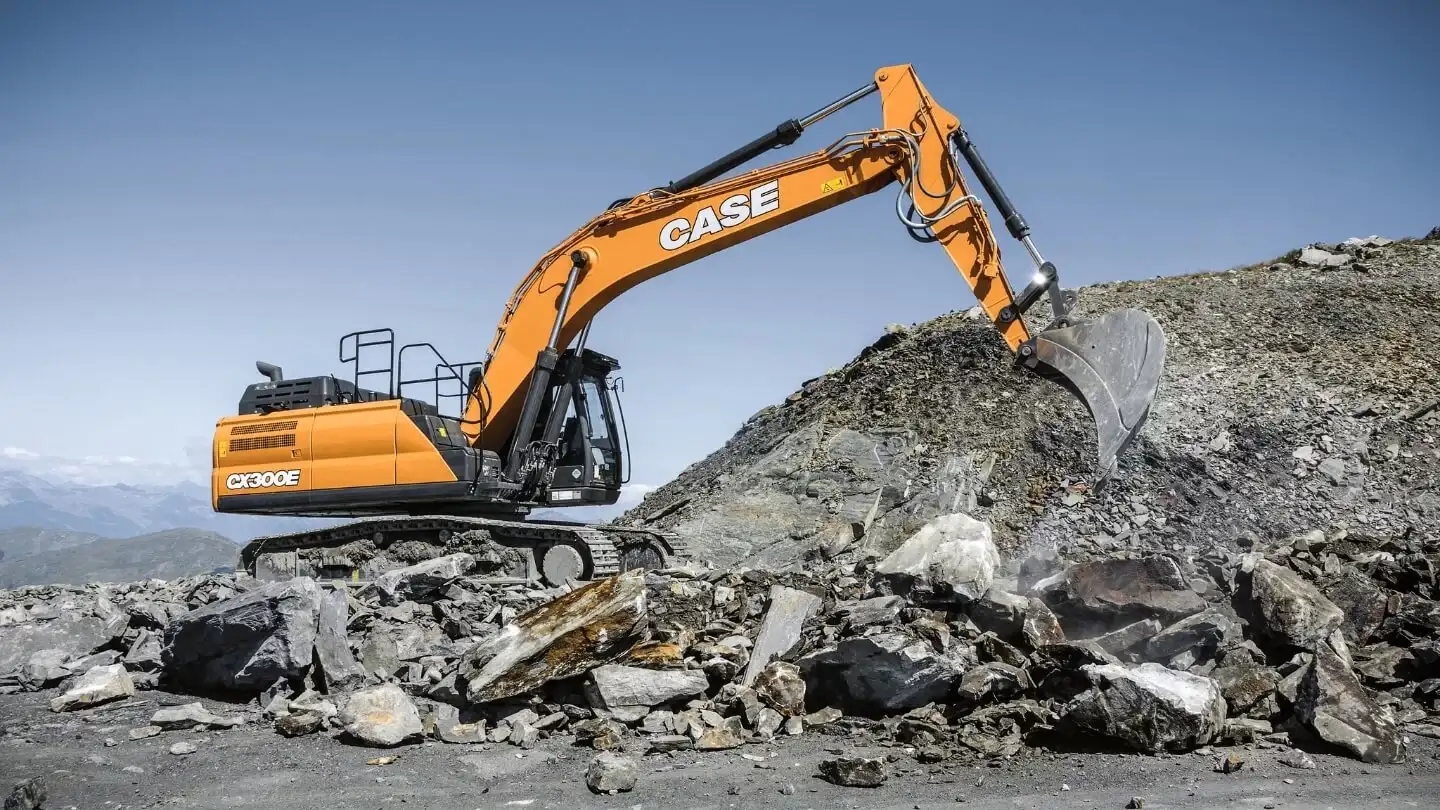
Moving massive amounts of soil, rock, and construction debris requires brute force and robust control. Hydraulics provide the high torque needed for digging and lifting heavy loads (buckets full of earth), the precise control for delicate grading tasks, and the durability to withstand dust, dirt, impacts, and vibration on demanding job sites. To transport dirt, normally use for dump trucks rely on hydraulic pump to lift tipper body.
2. Manufacturing & Automation:
Applications: Clamping mechanisms on diecasting machines, injection machines, presses (stamping, forging), robotic arms in heavy industrial automation.

Diecasting and injection molding require immense, sustained clamping force (hundreds or thousands of tons) to hold molds shut against high-pressure molten metal or plastic. Hydraulics deliver this force reliably and controllably. Industrial presses also depend on hydraulic cylinders for powerful, controlled strokes, as well as tube bending machines.

3. Landscaping:
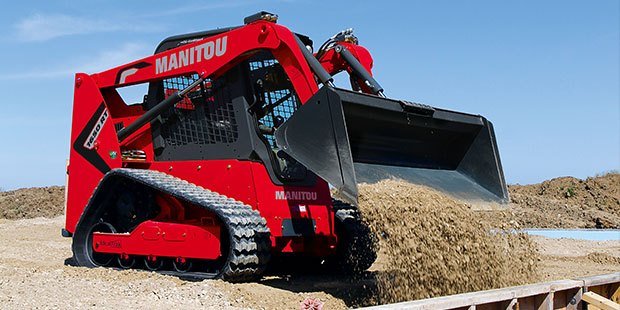
Applications: Steer skid loaders with various attachments (augers, trenchers, brush cutters, grapples), mini-excavators, stump grinders, tractor implements (loaders, backhoes, mower decks).
Skid steers are the Swiss Army knives of landscaping, and their versatility comes from the hydraulic power available to drive a multitude of attachments. Hydraulics provide the power for digging, lifting rocks/trees, grinding stumps, and operating complex implements efficiently on often uneven terrain.
4. Entertainment:
Applications: Stage lifts, turntables, and tilting mechanisms in theaters; motion bases for flight simulators; powerful actuators for roller coasters and amusement park rides; moving sets and scenery.
Creating dramatic movement, smooth elevation changes, and thrilling ride dynamics requires significant force delivered silently and with exceptional precision and reliability. Hydraulics excel at providing powerful, controlled linear motion essential for these dynamic effects.
5. Aerospace:
Applications: Flight control surface actuators (ailerons, rudder, elevators, flaps), landing gear extension/retraction and steering, cargo door operation, thrust reversers, brake systems.
Aircraft demand extremely reliable, high-force actuators in compact, lightweight packages that function reliably across massive temperature and pressure variations. Hydraulic systems offer the necessary power-to-weight ratio and proven reliability critical for flight safety. While some newer systems use electricity (fly-by-wire), hydraulics remain dominant for primary flight controls on most large aircraft.
6. Marine:
Applications: Steering gear (rudder actuators), stabilizer fins, anchor windlasses, winches, cargo hatch covers, deck cranes, bow/stern thrusters, lifting platforms.
The marine environment is corrosive and demanding. Hydraulic systems provide the immense power needed to turn massive rudders against water pressure, lift heavy anchors and cargo, stabilize large vessels in rough seas, and operate deck machinery reliably in wet, salty conditions. Their power density is crucial where space is limited.
7.Agricultural Machinery (Farm Equipment):

Applications: Tractor implements (loaders, backhoes, mowers, balers, plows), combine harvester headers and elevators, sprayer booms, steering systems, hydraulic drive systems for harvesters and sprayers.
Modern farming relies on powerful, versatile machinery. Hydraulics enable quick attachment changes (via power beyond circuits), provide the force for lifting heavy loads (bales, grain), power complex harvesting mechanisms, and allow for precise control of implements like seeders and sprayers across vast fields, enduring dust, mud, and vibration.
8. Coal Mining Equipment:
Applications: Longwall shearers, roof supports (shield hydraulics), continuous miners, hydraulic shovels/excavators, haul truck dump bodies and brakes, rock bolters.
Underground mining demands equipment of immense power and extreme ruggedness operating in confined, dirty, and potentially explosive environments. Hydraulics provide the colossal forces needed to cut coal, support unstable roofs, lift massive loads, and operate reliably under constant heavy vibration and abrasive coal dust.
9. Waste Management:
Applications: Refuse collection truck compactors, loader arms for garbage bins, landfill compactors, shredders, grapples for material handling.
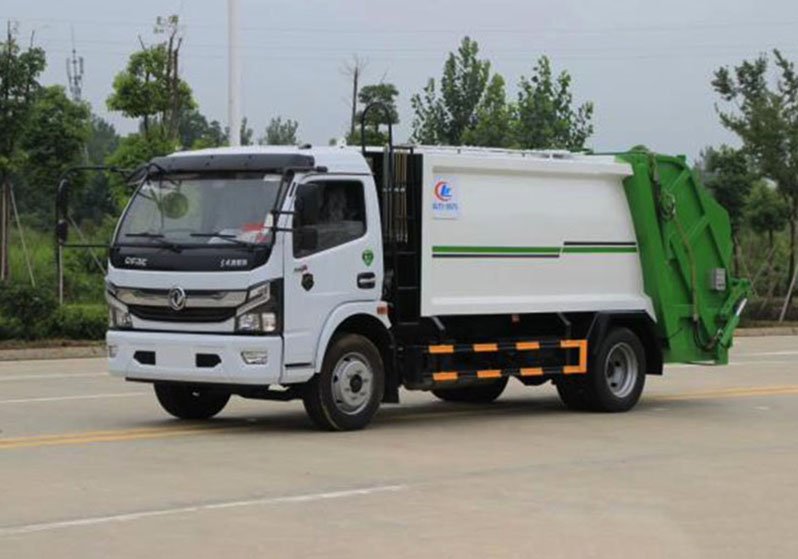
Compacting tons of garbage efficiently requires massive, sustained force. Lifting heavy bins repeatedly demands robust lifting power. Hydraulic systems deliver the high power density and durability needed to handle the harsh, dirty, and demanding nature of waste processing and collection.
10.Material Handling & Logistics:
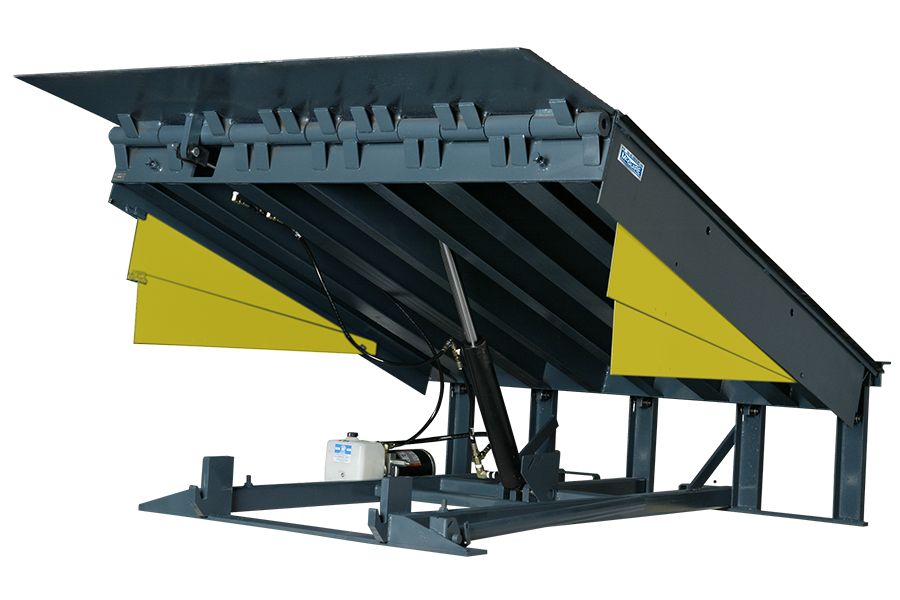
Applications: Forklift mast lifting/tilting, pallet truck lifting, crane operation (boom extension/retraction, hook lifting), automated guided vehicle (AGV) lifts, dock levelers, conveyor belt tensioning.

Lifting heavy pallets, containers, and machinery requires significant force in a compact space. Hydraulics provide the powerful linear motion needed for mast movement and load lifting in forklifts and cranes, ensuring smooth operation and controlled lowering essential for safe logistics operations. They are fundamental to the core functions of material handling equipment.
The Common Thread: Power, Control, and Resilience
Across these diverse industries and the examples of hydraulic systems listed above, the technology is consistently chosen for its fundamental strengths:
- High Power Density: Generating enormous force from relatively compact components.
- Precise Control: Enabling smooth, accurate, and variable speed/force application.(The use of Solenoid Valve and Proportional Valve)
- High Torque at Low Speed: Essential for heavy lifting, digging, and compacting. (High Torque of Motor, hydraulic Pump, and hydraulic Motor)
- Durability & Reliability: Performing consistently in extreme environments (dirt, dust, moisture, temperature swings, impacts).(The use of filters and sensors, and coolers)
- Overload Protection: Systems can stall safely without damage, unlike mechanical systems. (The use of Counterbalance Valve and Pilot Check Valve)
From shaping the earth beneath our feet to enabling the flight of aircraft above us, and from automating factories to managing our waste, the examples of hydraulic systems highlighted demonstrate how they provide the essential muscle and control that keep these critical industries moving forward. They are the powerful, reliable force behind much of the modern world’s infrastructure and machinery.


Pingback: How Much Does a Mini Skid Steer Weigh? Complete Guide for Buyers
Pingback: ماشین های هیدرولیک – مرجع آموزش